
80 Days Crossing Antarctica for Science
with Heïdi Sevestre
April 21, 2026
6 min read
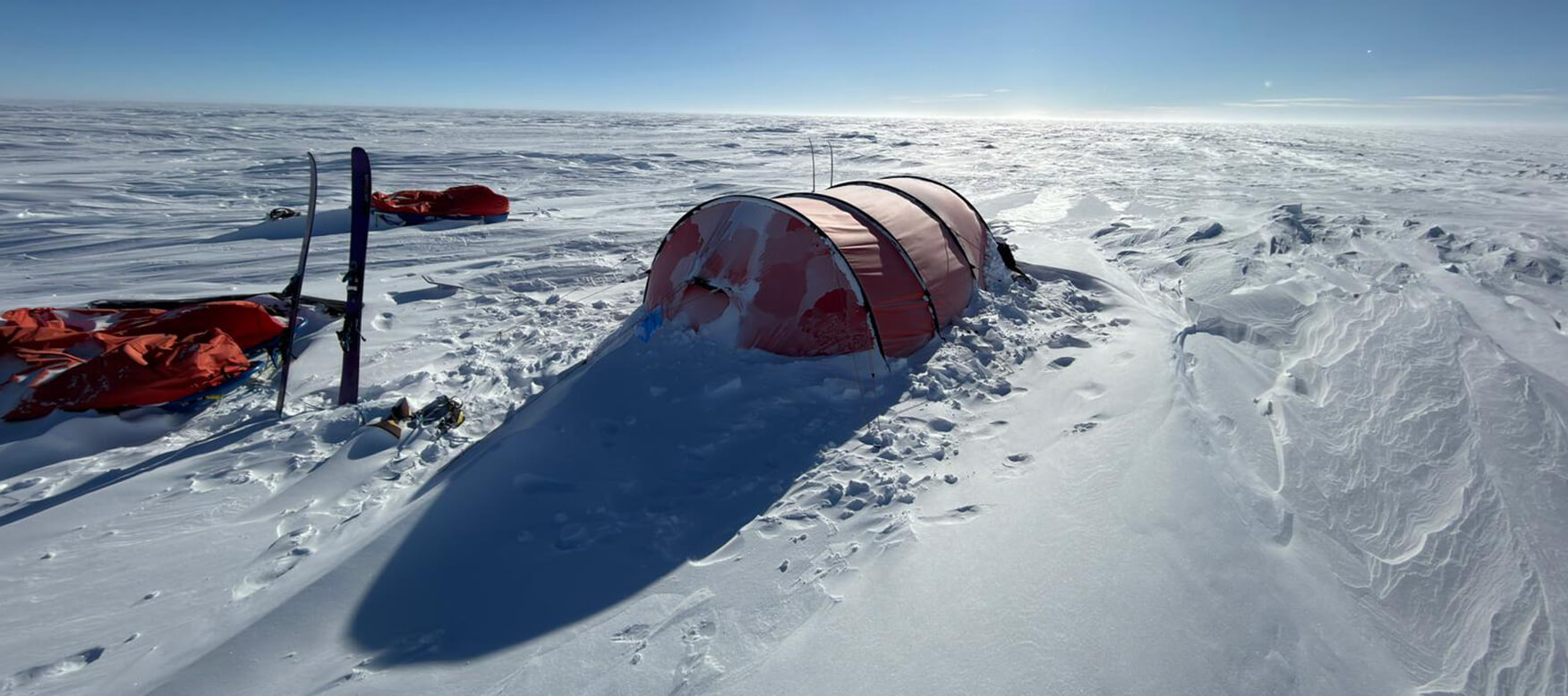
The Antarctic plateau is an unforgiving expanse of blinding white, where howling winds carve the ice into jagged ridges and temperatures regularly plummet to minus 50 degrees Celsius. It is a place that aggressively resists human presence. Yet, for 80 days during the 2025-2026 austral summer, glaciologist Dr. Heïdi Sevestre and polar explorer Matthieu Tordeur called this hostile environment home.
Together, they embarked on the Under Antarctica Expedition, a grueling 4,000-kilometer journey across the frozen continent. Their mission was not merely to conquer the elements or set records. They traveled to the end of the Earth to collect critical geophysical data that could reshape our understanding of the planet’s climate future.
A Groundbreaking Expedition
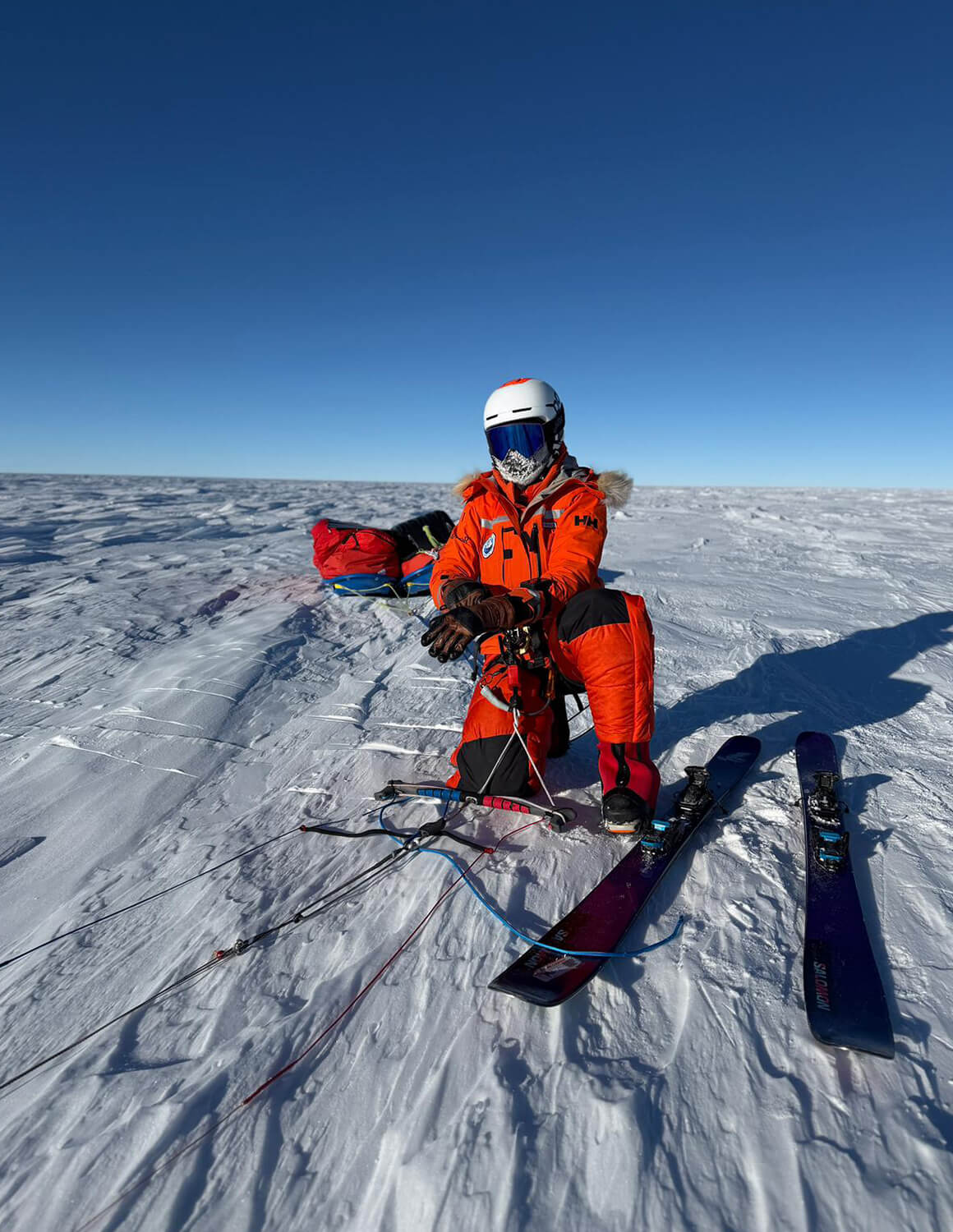
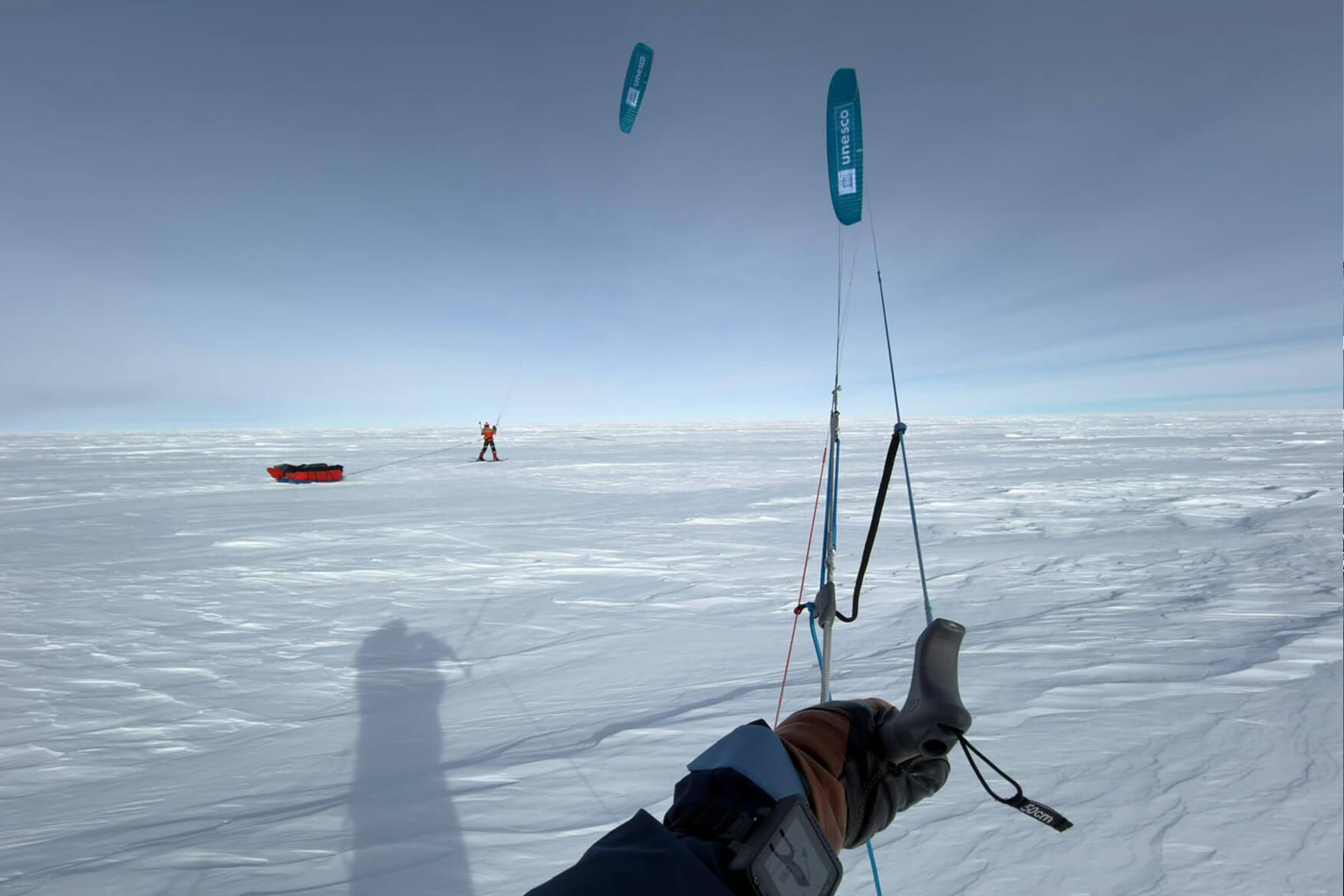
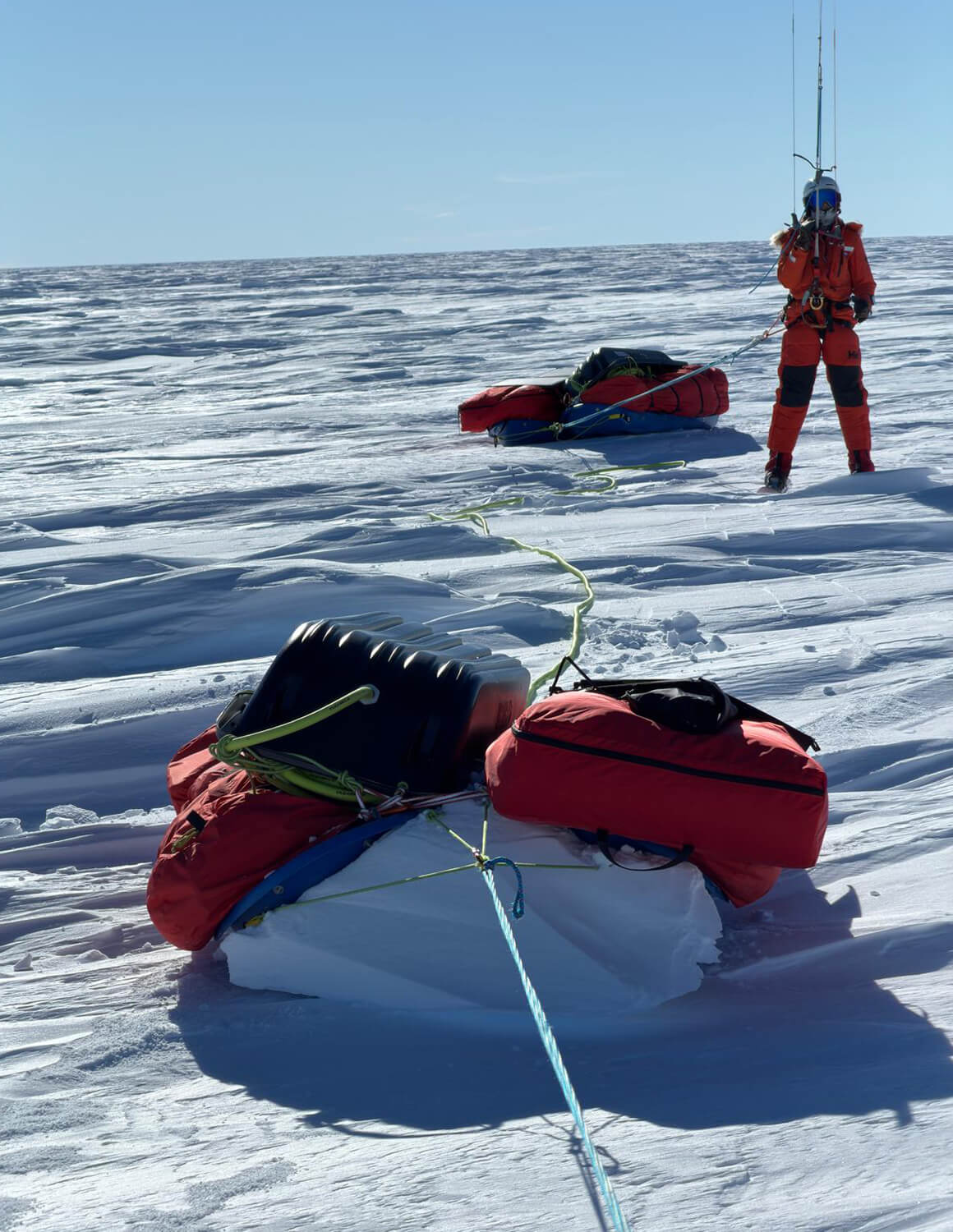
What made this expedition truly unique was their method of travel. Instead of relying on carbon-heavy tractors or aircraft, the duo crossed the continent on kite-skis, propelled almost entirely by the power of the wind. Trailing behind them were two heavy sleds, known as pulks, carrying 200 kilograms of gear, food, and advanced ground-penetrating radars.
This journey represents a shift in how professionals conduct field research in extreme environments. By blending the endurance of polar exploration with the rigor of climate science, Sevestre and Tordeur proved that high-level data collection can be achieved with a remarkably light footprint. Here is a look inside their extraordinary crossing, the science they conducted, and the lessons they brought back from the ice.
The Memory of Our Planet
To understand why two professionals would subject themselves to such extreme conditions, you have to understand the sheer scale and importance of Antarctica. It is the coldest, highest, driest, and windiest continent on Earth. It is also the planet’s great air conditioner. The vast white surface of the ice sheet reflects a massive amount of solar radiation back into space, naturally cooling the globe.
However, this ice is not permanent. Antarctica holds enough frozen water to raise global sea levels by 58 meters. If the Antarctic ice sheet destabilizes, the consequences for coastal communities around the world would be catastrophic.
Ice serves as one of our most accurate historical archives. As snow falls and compacts over thousands of years, it traps air bubbles and microscopic aerosols. These layers create a vertical timeline of Earth’s atmosphere, recording greenhouse gas concentrations and temperature shifts spanning hundreds of thousands of years. By studying this ice, scientists can observe how the continent responded to warm periods in the deep past, which helps predict how it will react to the rapid warming we experience today.
Rethinking Polar Fieldwork
Traditionally, mapping the deep interior of Antarctica requires heavy logistics. Expeditions rely on large snow groomers, specialized tractors, and aircraft. These methods consume vast amounts of fuel and require extensive supply depots scattered across the ice.
Sevestre and Tordeur envisioned a more eco-conscious approach. They wanted to pioneer a method of data collection that required no fuel depots and left virtually no trace. Kite-skiing offered the perfect solution. Harnessing the persistent polar winds, they could cover dozens of kilometers a day while towing their scientific equipment.
The physical toll of this approach was immense. A typical day involved eight to 12 hours of intense effort. Kite-skiing demands absolute focus; a single moment of inattention can result in a violent crash. Navigating through whiteouts, navigating crevasses, and wrestling with powerful kites required peak physical and mental endurance.
Scanning The Deep Ice
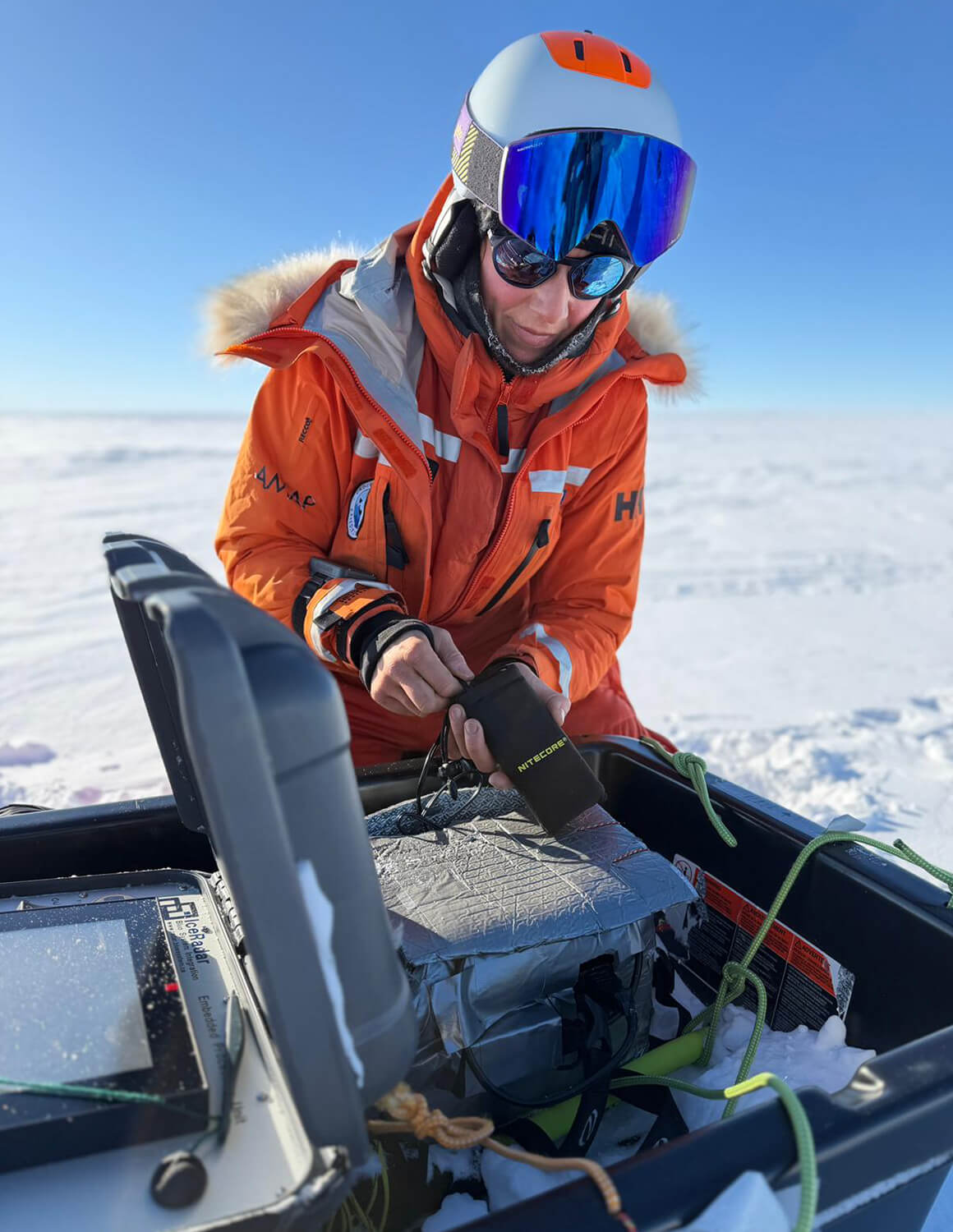
The core of the scientific mission rested on the two ground-penetrating radars pulled behind their pulks. Operating continuously throughout the 80-day crossing, these instruments scanned the ice to create a comprehensive profile of the world beneath their skis.
A surface radar analyzed the upper layers of the ice to measure recent snow accumulation. A second, deep-penetrating system with antennas stretching nearly 100 meters sent low-frequency waves plunging up to 4,000 meters deep to map the bedrock and detect subglacial lakes and rivers. This unprecedented transect allowed them to connect previously unmapped regions, providing a clearer picture of the continent's internal dynamics.
Surviving The Deep Freeze
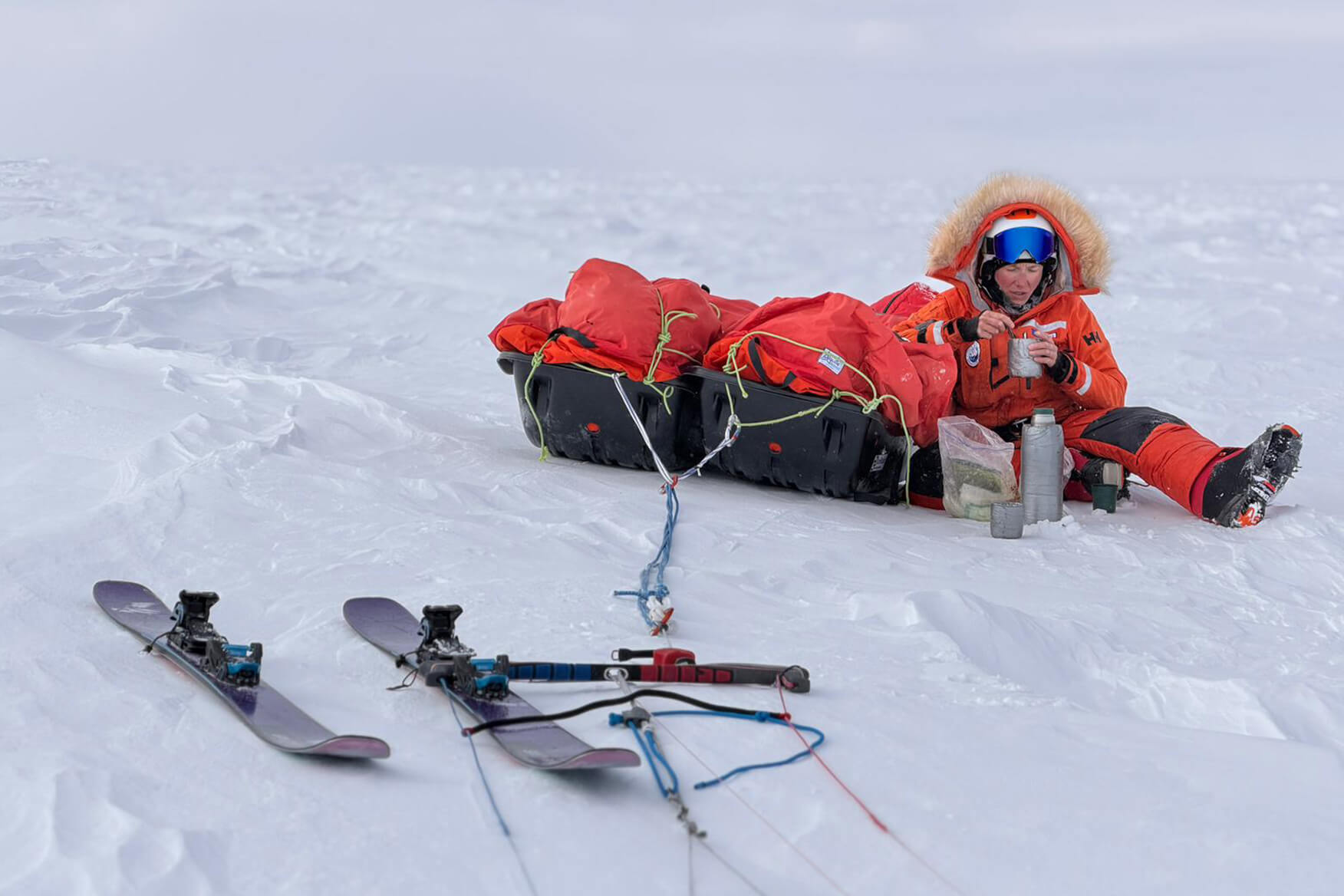
Antarctica is notoriously hard on both the human body and technical equipment. From the moment the expedition began, the cold was brutal. Temperatures regularly hovered around minus 30 degrees Celsius, dropping much lower when factoring in wind chill.
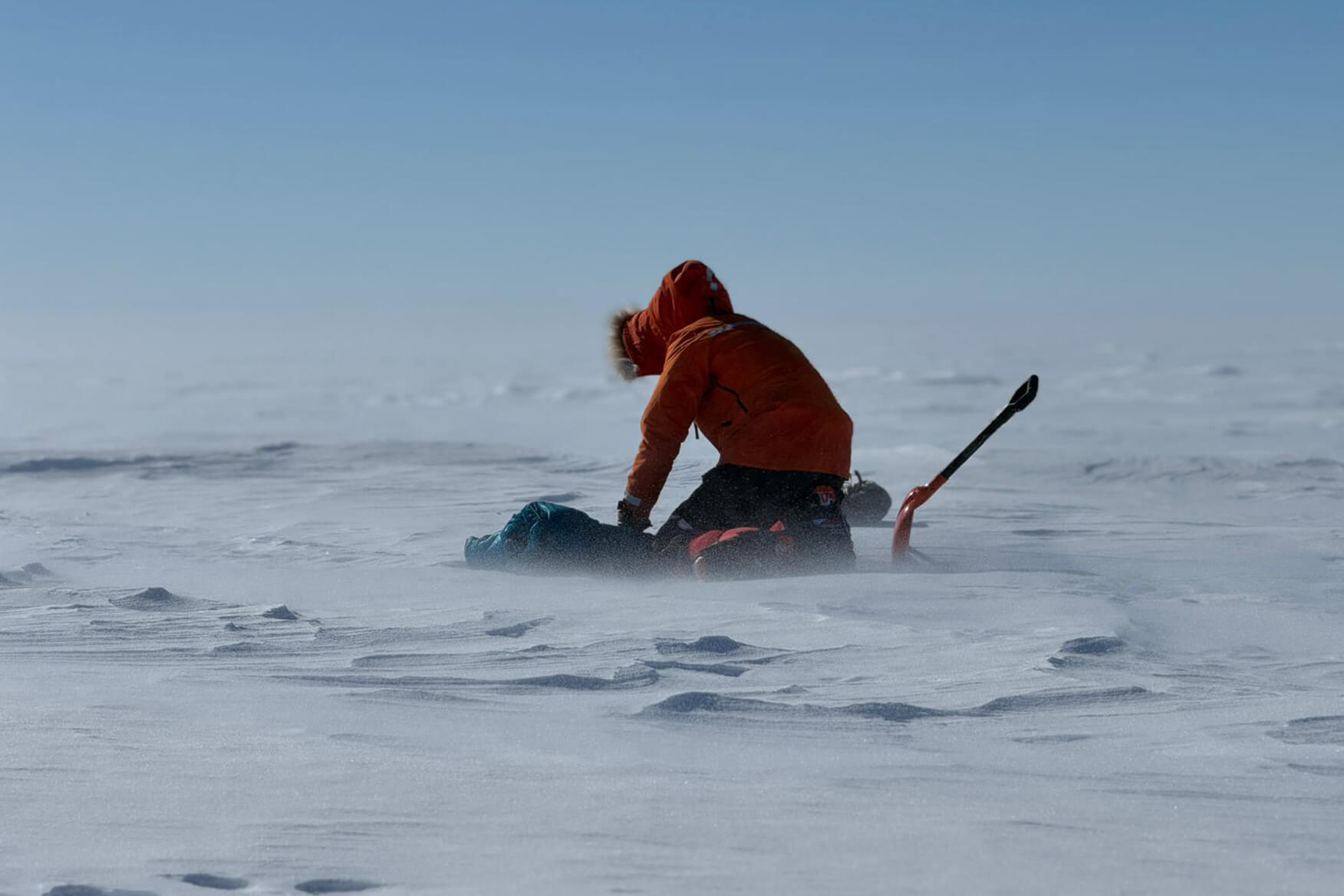
In these extremes, standard materials simply fail. Plastic shatters, silicone snaps, and rubber crumbles. The team spent hours every morning and evening just managing their camp. They melted snow for their freeze-dried meals, meticulously packed their gear, and constantly repaired their shattered equipment. At one point, Sevestre found herself dismantling heavy batteries and fixing solar panels with a USB soldering iron.
The terrain offered no relief. The wind carved the snow into rock-hard ridges called sastrugi, which battered their sleds relentlessly. Early in the trip, both of their sleeping mattresses punctured. For the remainder of the three months, they slept on pads barely an inch thick, resting on solid ice.
Layering For Extreme Environments
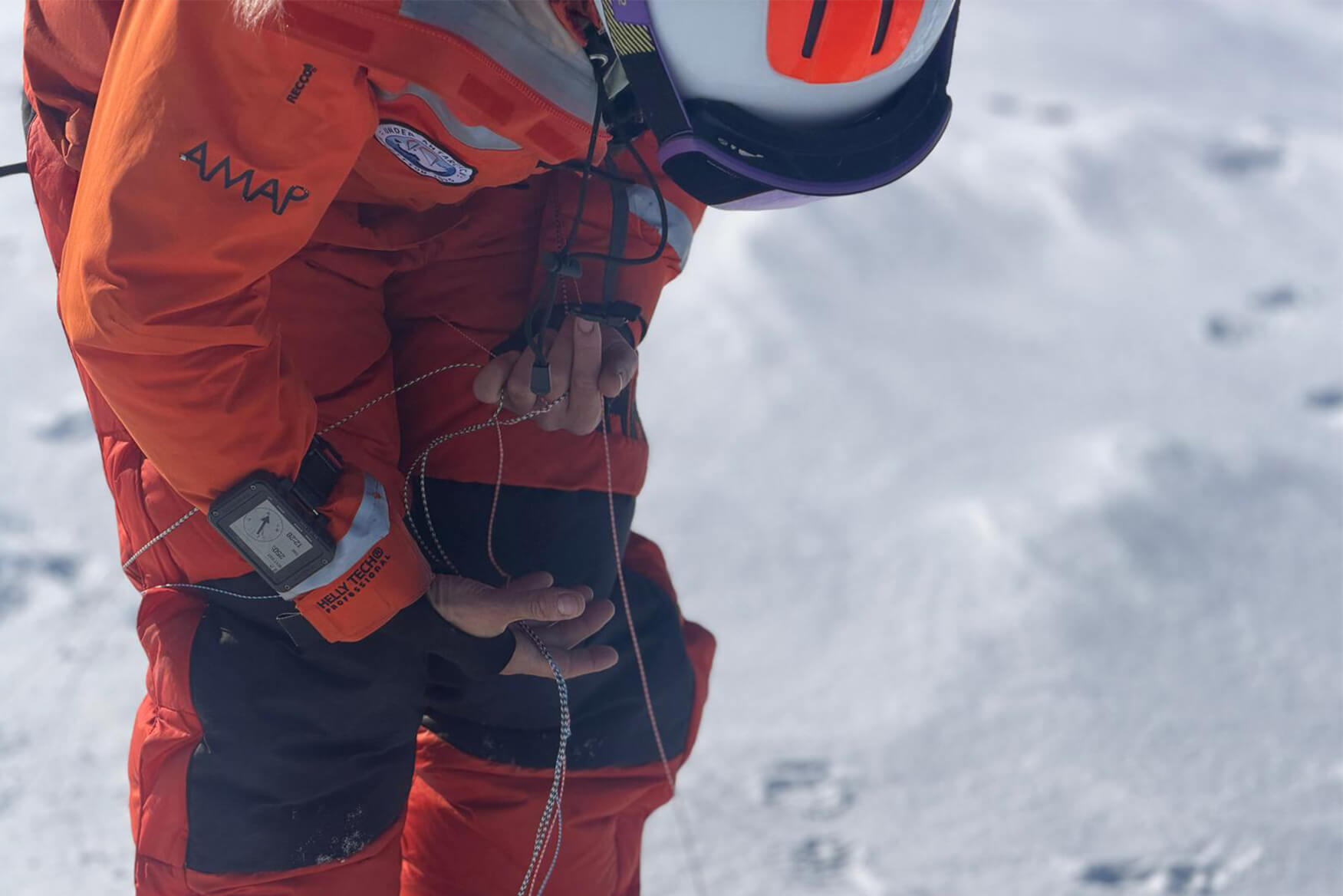
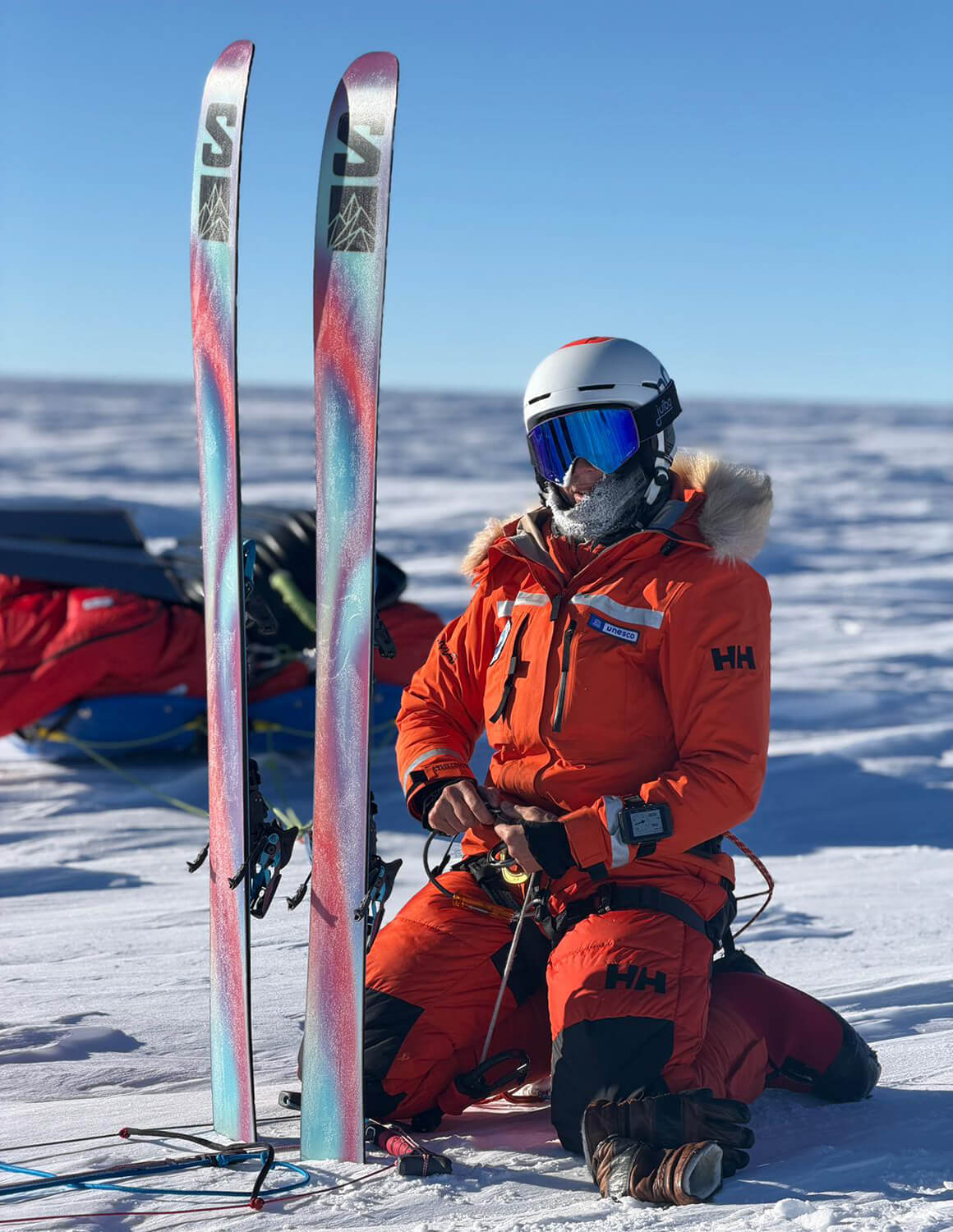
When you are isolated thousands of kilometers from help, your clothing is your life support system. The team relied on a highly technical, seven-layer clothing system to survive.
The greatest danger in extreme cold is not just the ambient temperature, but your own sweat. If you perspire during heavy exertion and then stop moving, that moisture freezes against your skin, rapidly accelerating the risk of hypothermia. The duo had to constantly adjust their layers, adding down jackets and parkas when the wind howled and shedding layers when the physical labor of wrestling the pulks generated too much body heat.
For Sevestre, her fluffy down pants and Arctic Patrol parka acted as a personal suit of armor against the elements. When the winds died completely and they were forced to wait out the weather inside their tent, a scenario that happened for 20 days of the expedition, those premium down layers provided crucial insulation against the frozen ground.
Milestones In The White Desert
The nearly 4,000-kilometer route took the team from the eastern edge of the continent to the western coast, passing through some of the most remote coordinates on the map.
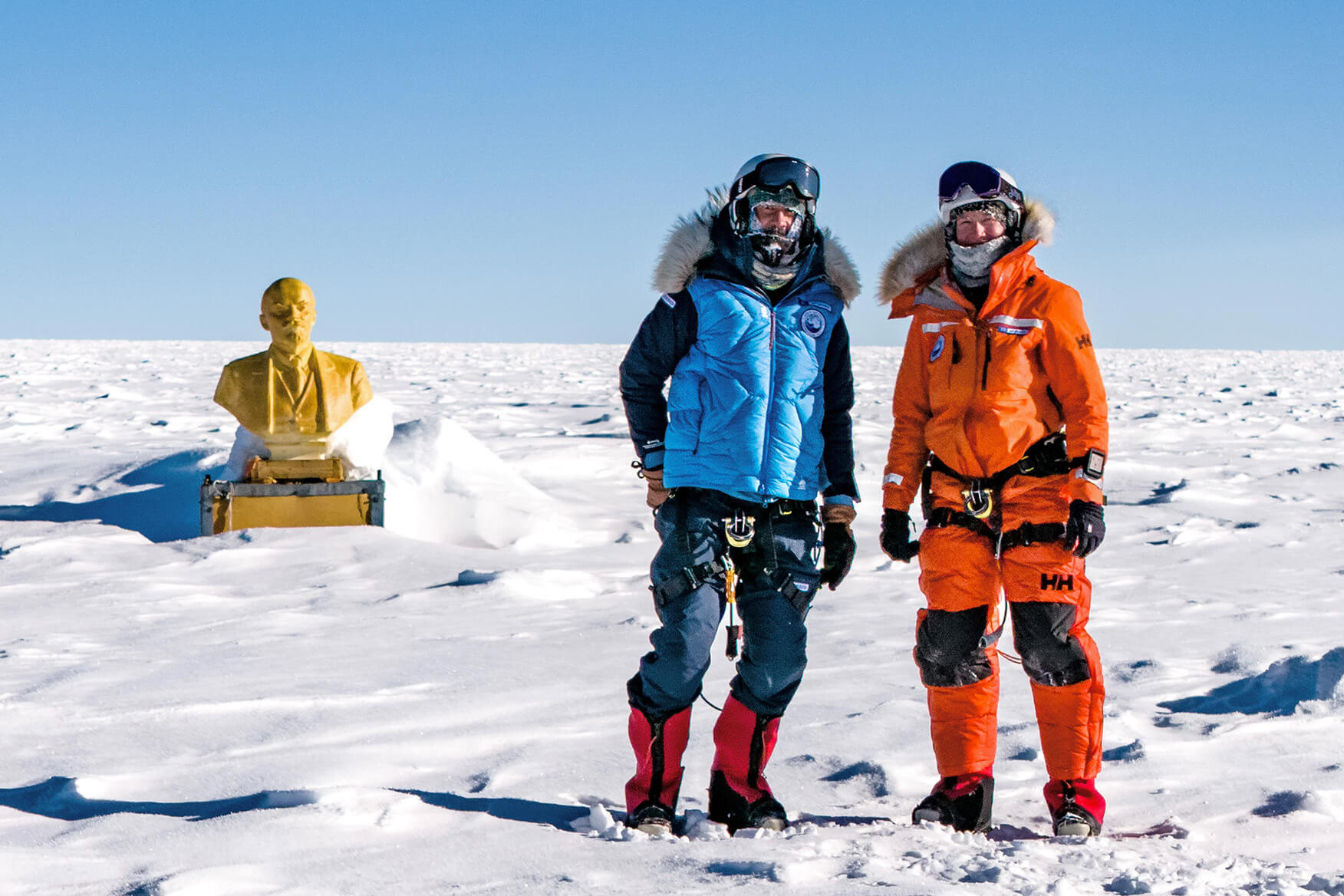
After 42 days and nearly 1,800 kilometers of travel, they reached their first major milestone: the South Pole of Inaccessibility. This is the exact point on the continent furthest from any ocean. It is a location so remote that only a handful of humans have ever seen it. The navigation was nerve-wracking, but eventually, a small yellowish speck appeared on the horizon. It was a bust of Vladimir Lenin, left behind by a Soviet expedition in 1958. The research station it once sat upon is now completely buried under decades of snow. By scanning the ice around the statue, the team gathered a perfect case study on exactly how much snow has accumulated in the deep interior over the last half-century.
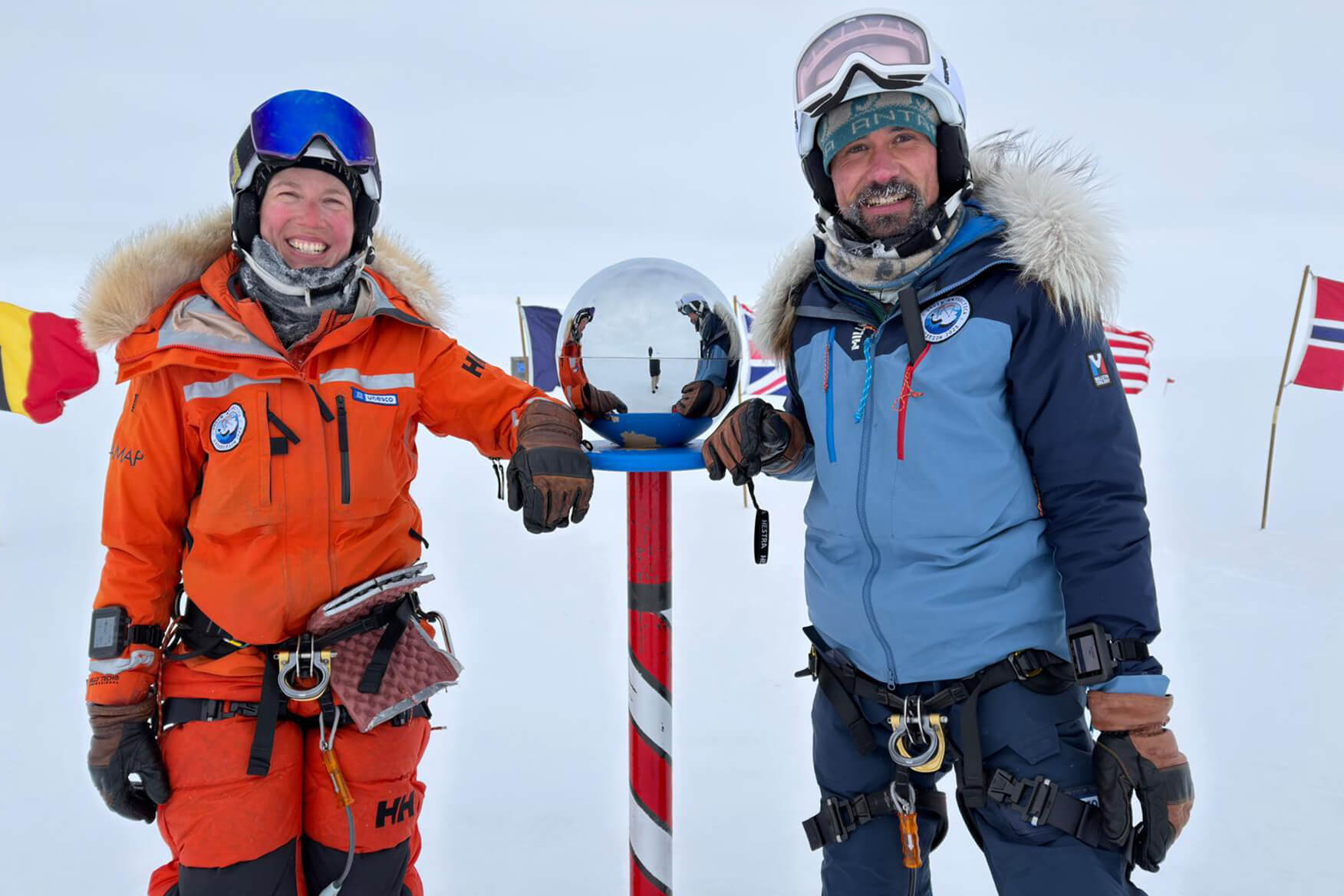
On day 62, after covering 2,700 kilometers, they arrived at the Geographic South Pole. Navigating through a complete white-out with zero visibility, they finally reached the Amundsen-Scott research station. After two months of eating nothing but freeze-dried rations, they were greeted by a station chef who walked out onto the ice and handed them a box of freshly baked, steaming baklava. It was a brief, surreal moment of humanity in an endless white void.
The final stretch brought them toward Hercules Inlet on the inner coast. They navigated carefully around the Fusco and Wilson nunataks – mountain peaks jutting through the ice sheet – while dodging dangerous crevasse fields. Ironically, after battling fierce winds for thousands of kilometers, the air went completely dead just six kilometers from the finish line. Stowing their kites, they attached climbing skins to their skis and pulled their heavy sleds by sheer leg power for the final few hours, officially completing the crossing on January 21, 2026.
Inspiring The Next Generation
While collecting climate data was the primary objective, sharing the journey was equally important. Adventure provides a powerful, emotional gateway into the complexities of climate science.
Through an educational program developed with the organization Témoins Polaires, the expedition reached 300,000 students across 41 countries. Children followed the journey of a fictional cape penguin named Pascal, who traveled across Antarctica learning about ice dynamics, climate change, and the importance of environmental preservation.
Sevestre and Tordeur hosted live video calls from inside their tent, answering questions from students thousands of miles away. The engagement proved that when you take people by the hand and share the raw, human reality of an expedition, they connect deeply with the underlying science.
The Future of Polar Exploration
The Under Antarctica Expedition successfully proved that high-level science and human endurance can go hand in hand. The vast amounts of radar data collected during those 80 days have been handed over to partner scientists in Germany and the United Kingdom. It will take years to process, cross-reference, and publish the final findings, but those results will eventually help global leaders make informed decisions about our changing climate.
The ice of Antarctica might be thousands of kilometers away, but its future is directly tied to ours.

Women's Arctic Patrol Winter Boots
3 Colours Available

Men's Arctic Patrol Winter Boots
3 Colours Available

Men's Arctic Patrol Modular Parka 2.0
1 Colours Available

Women's Arctic Patrol Modular Parka 2.0
1 Colours Available

Men’s Arctic Patrol Down Parka
1 Colours Available

Men’s Patrol Transition Rain Jacket
1 Colours Available
Explore more blogs
May 05, 2026 3 min read
Skagen – An Iconic Race and a Collection to Match
Discover the history of the Skagen Offshore Race and explore Helly Hansen's Skagen Collection, built with decades of insights from working with professional sailors.
May 05, 2026 3 min read
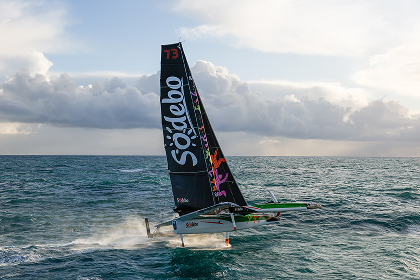
Around the World in 40 Days, Thomas Coville Breaks Records
In just 40 days, 10 hours, 45 minutes, and 50 seconds, Helly Hansen’s ambassador Thomas Coville and the Sodebo Ultim 3 crew set a new nonstop around‑the‑world sailing record. Here’s how we supported the team through the most extreme conditions on the planet.