
Changing the Culture: Atle Lie McGrath’s Mission for Avalanche Safety
January 12, 2026
6 min read
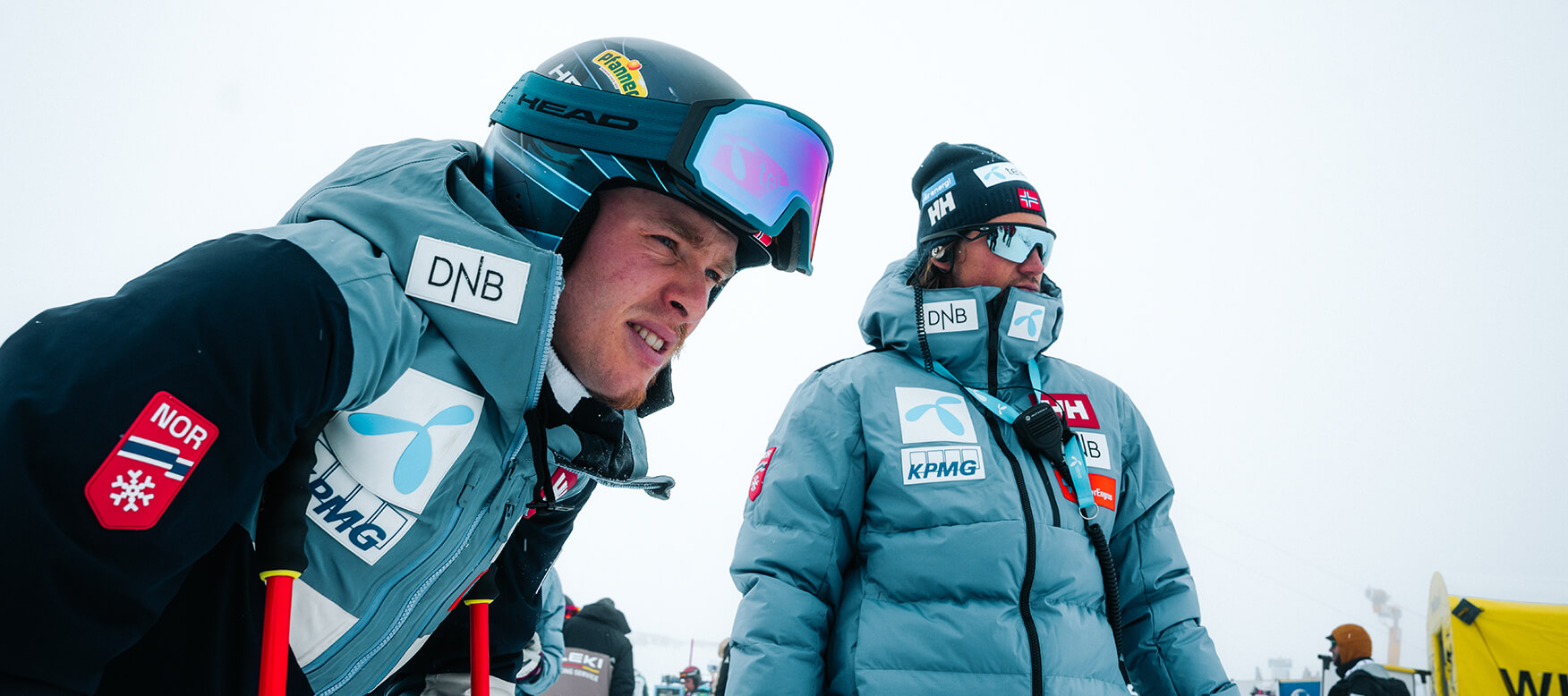
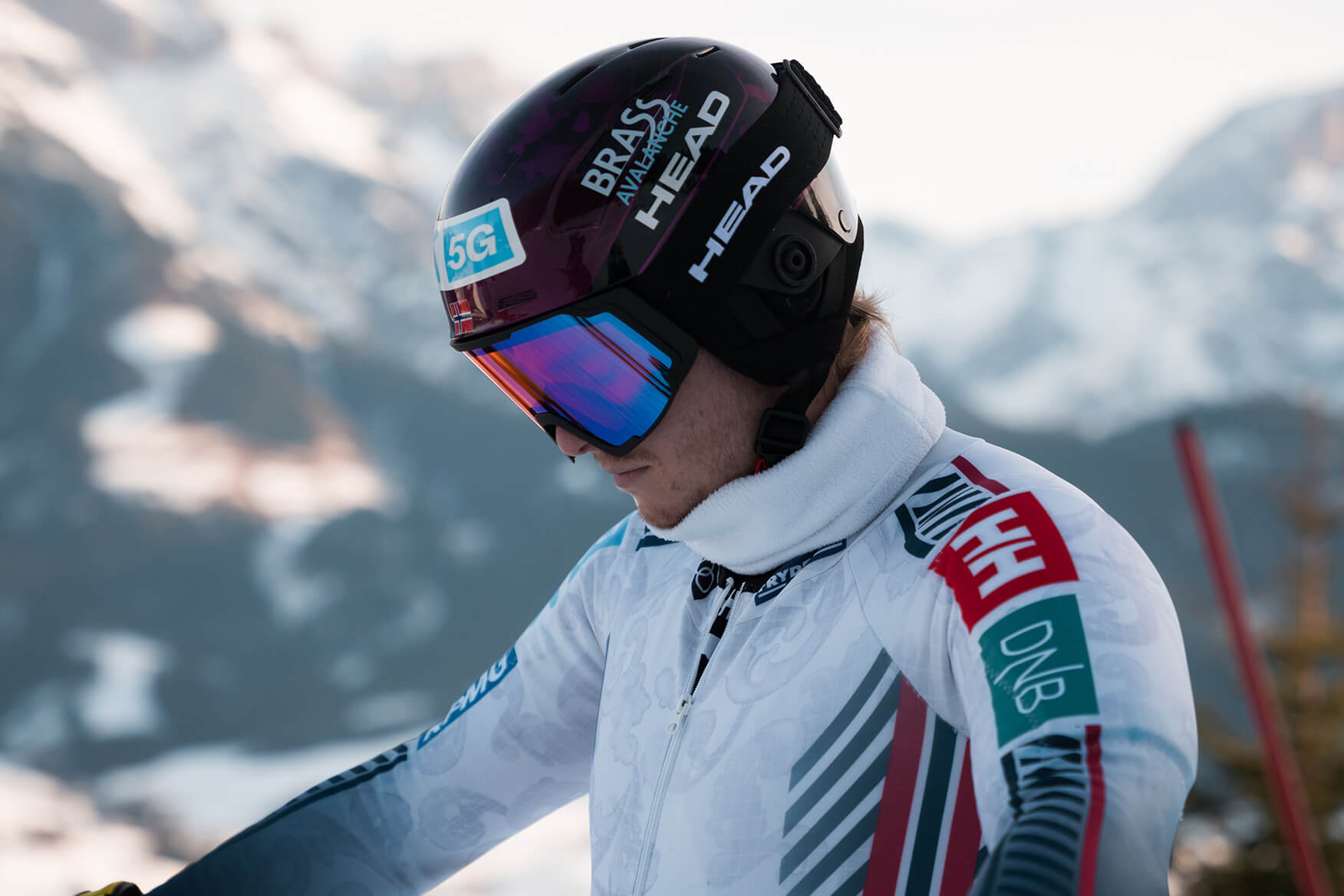
Alpine skiing is a sport defined by precision. Athletes spend their lives chasing milliseconds between gates on perfectly groomed, icy surfaces. But the moment training ends or a race is canceled due to heavy snowfall, many of these same athletes head into the powder. It is here, just beyond the safety nets, that a critical gap in education exists—one that World Cup skier and member of The Norwegian Alpine Ski Team, Atle Lie McGrath, is determined to close.
McGrath, one of the most exciting young talents on the World Cup circuit, has partnered with the Bryce and Ronnie Athlete Snow Safety (BRASS) Foundation to bring avalanche awareness to the forefront of the alpine skiing community. Historically, competitive skiing has focused almost exclusively on performance inside the course, often overlooking the dangers that lie outside the boundaries.
Through his partnership with BRASS, McGrath is not just lending his name to a cause; he is advocating for a fundamental cultural shift. His goal is to ensure that for the next generation of ski racers, understanding snow safety is as fundamental as learning to carve a turn. We sat down with McGrath to discuss his personal journey, the tragedy that sparked the movement, and his vision for a safer future in the mountains.
The Blind Spot in Alpine Skiing
Growing up in a competitive skiing family—his father is former American World Cup skier Felix McGrath and his mother is former NCAA All-American Nordic skier Selma Lie—McGrath spent his childhood chasing snow. From the age of two, the mountains were his playground. However, despite a life spent on skis, formal education regarding the dangers of that playground was notably absent.
"The mountains have been extremely important in my upbringing," McGrath shares. "But between racing, all I did was freeskiing in the woods and powder. It was always about the joy of skiing, but looking back, there was a huge lack of knowledge."
For many alpine racers, the mountain is viewed as a controlled environment. Unlike freeride or backcountry skiers who constantly assess terrain and snowpack, alpine racers are accustomed to safety nets, course crews, and marked boundaries. This false sense of security can be dangerous when athletes venture off-piste.
"We’ve only been focusing on staying safe within the limits of our competitive area," McGrath explains. "But the 'beyond' part brings a lot of joy to all of us, and it’s just been totally overlooked for way too many years."

A Wake-Up Call
The consequences of this educational gap became heartbreakingly clear on January 5, 2015. Two promising U.S. Ski Team athletes, Ronnie Berlack and Bryce Astle, were killed in an avalanche in Sölden, Austria. They were skiing just meters off the groomed run in an area they likely assumed was safe.
McGrath, who was 14 at the time, remembers the moment vividly. "It was right after the accident, at the World Cup Slalom in Zagreb. They held a minute of silence for the boys. Seeing the whole skiing community come together to mourn was really touching. Although I didn't know them, I felt like I knew them."
That tragedy led to the founding of the BRASS Foundation, which aims to improve snow safety culture for competitive skiers. For McGrath, partnering with BRASS was a moment of realization. Despite traveling the world as a professional skier, he realized he knew almost nothing about avalanche safety.
"That was a big 'aha' moment for me," he admits. "If I know nothing about it, then what do all the other kids know? Realizing that was something that made me want to jump on the opportunity right away."
Bridging the Gap Between Racing and Safety
The disconnect between alpine racing and avalanche awareness is partly due to the different safety cultures in Europe versus the United States. In the U.S., ski resorts strictly manage boundaries with ropes and signs indicating where avalanche control ends. In Europe, the line is often invisible.
"In Europe, you can ski some of the best groomers in the world, but just a couple of meters off the slope, you are in the wild," says McGrath. "That’s the danger. It’s not necessarily a remote backcountry peak; it’s right next to the lift."
Personal Changes on the Mountain
Since becoming a BRASS ambassador, McGrath has fundamentally changed how he approaches a day on the hill. The shift wasn't about stopping the fun, but about adding a layer of preparation.
"I check the weather forecast a lot more now," he notes. "If I know snow is coming and training might be canceled, that’s when I make the big changes. I go into the apps that show avalanche danger levels. And I never go skiing alone."
He emphasizes that having the right gear—beacon, shovel, and probe—is useless if you don't know how to use it or if you ignore the warning signs in the first place.
The biggest challenge is convincing alpine skiers that they need the extra equipment. A lot of people think, 'I’m a good skier, I can just ski away from an avalanche.' But that’s the danger—feeling invincible.
Advocating for Cultural Change
Changing the culture of a sport steeped in tradition is no small feat. However, McGrath believes the alpine community is ready for it. He points to the increasing use of safety equipment like airbags and cut-resistant base layers as evidence that the sport is evolving.
"There’s almost been no resistance towards avalanche education," McGrath says. "People just have good questions. The biggest challenge is convincing alpine skiers that they need the extra equipment. A lot of people think, 'I’m a good skier, I can just ski away from an avalanche.' But that’s the danger—feeling invincible."
Influencing the Next Generation
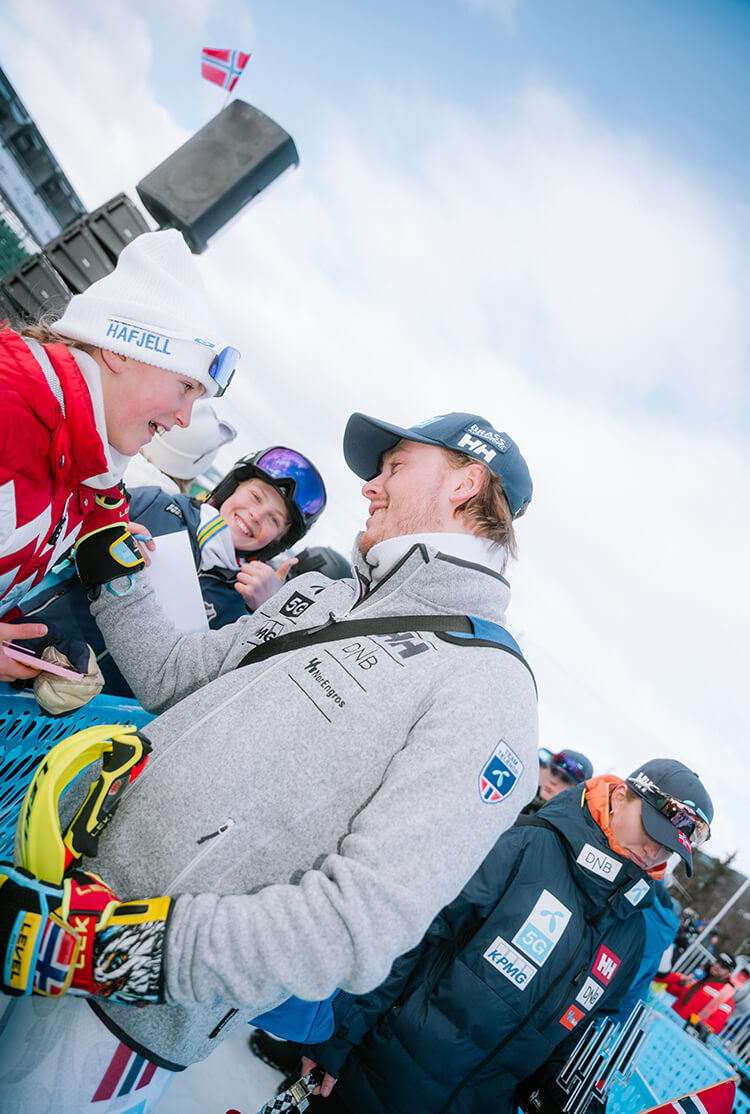
As a World Cup athlete, McGrath is acutely aware that young skiers look up to him, noting everything from the skis he rides to the helmet he wears. He sees this influence as a powerful tool for safety.
"If a kid sees their idol taking snow safety seriously, they’re going to pick it up," he says. "It’s not just about encouraging ambitious goals on the race course. It’s about teaching them that to enjoy the mountains for a long time, you have to respect them."
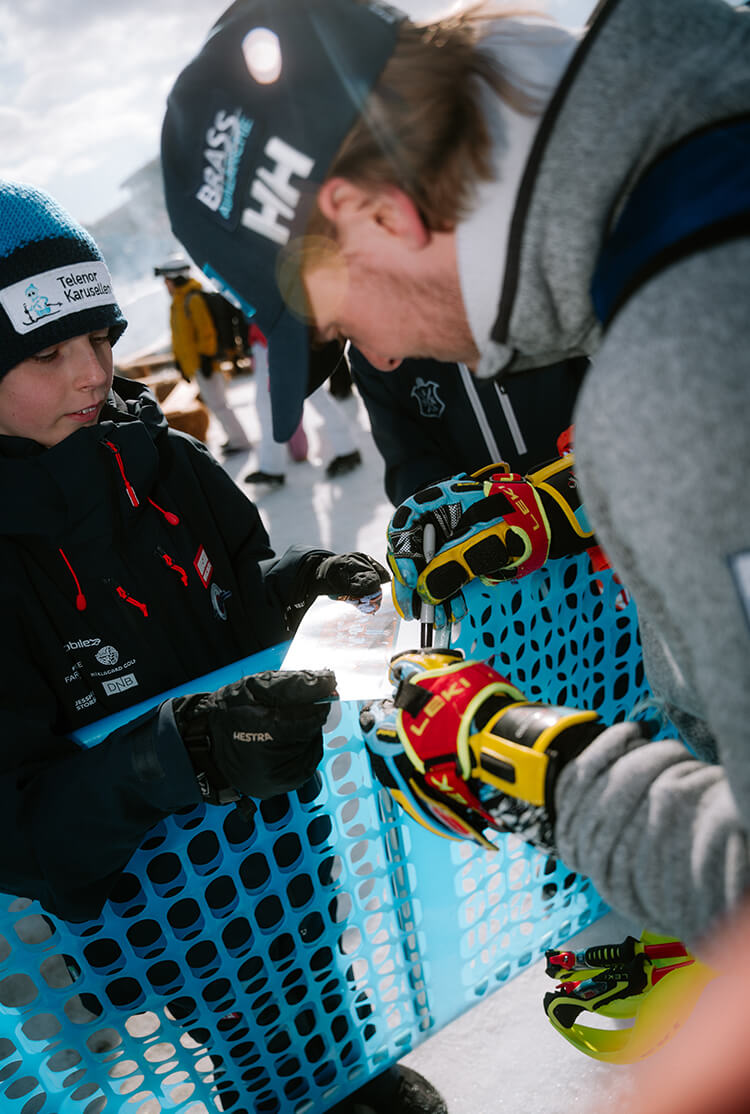
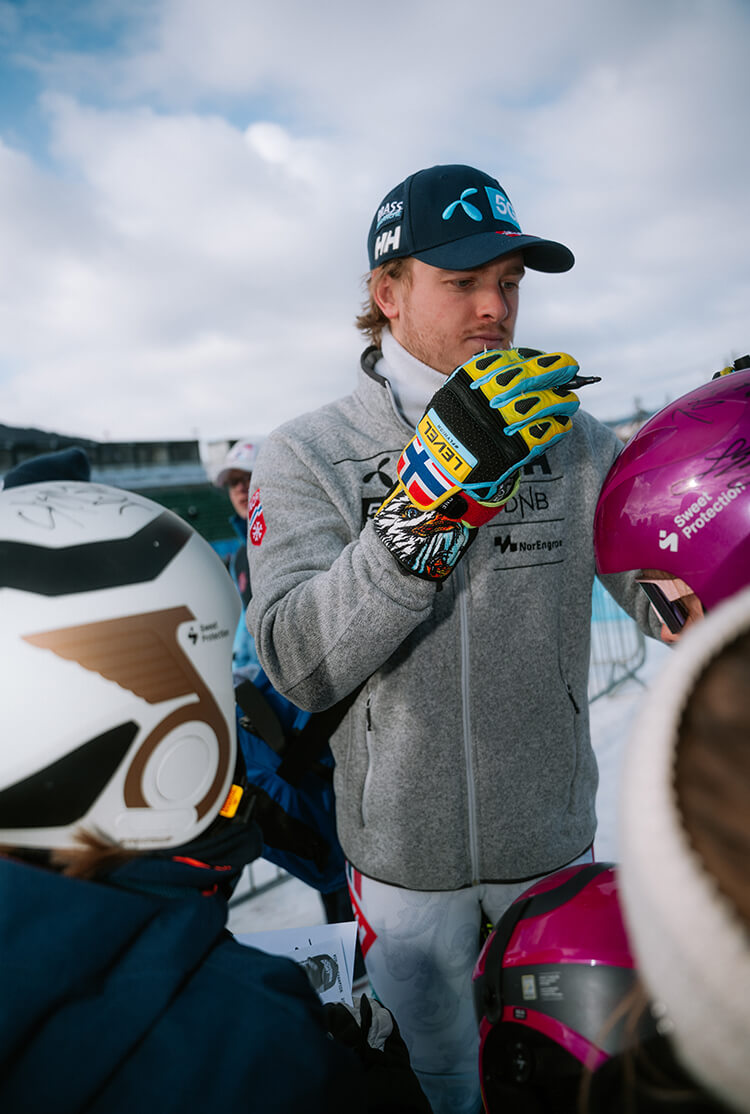
McGrath has taken this mission directly to the source. He has been involved in translating BRASS courses into Norwegian and hosting workshops at local ski clubs, including his home club in Bærum.
"To see the kids' faces when they realize this is important—that’s been the coolest moment so far," he reflects. "And seeing the shock on the parents' faces when they realize this is something they should have thought about a long time ago makes the extra effort worth it."
The Future of Alpine Safety
Looking ahead, McGrath and BRASS have ambitious plans. The immediate goal is to expand the program's reach within Norway and the United States, with a longer-term vision of bringing this curriculum to the alpine powerhouses of Central Europe—Austria, Switzerland, and Italy.
"There’s nothing like BRASS targeting ski racers in those countries," McGrath points out. "The goal would be to get this into Europe and reach the biggest ski traditions in the world."
When asked about the legacy he hopes to leave, McGrath’s answer is clear. He wants to be part of the generation that bridged the gap.
"I hope that the drastic change in the future is how much people respect snow safety," he says. "I really hope it becomes 'cool' for a kid to tell their friends, 'I don’t think we should ski that slope today because of what I learned.' If people know and feel safe, that’s the biggest goal."
A Final Message to Skiers
For families entering the competitive circuit and young athletes chasing podiums, McGrath offers simple but vital advice: education is a necessity, not an option.
"If there’s one thing I hope skiers take away from this, it’s that it is a great thing to be educated about snow safety," McGrath concludes. "It’s not just something extra. It is an absolute necessity to enjoy the mountains safely."
As the winter season unfolds, McGrath’s work with BRASS serves as a reminder that the most important skill a skier can possess isn't just speed—it’s the knowledge to come home safely at the end of the day.
Explore more blogs
May 05, 2026 3 min read
Skagen – An Iconic Race and a Collection to Match
Discover the history of the Skagen Offshore Race and explore Helly Hansen's Skagen Collection, built with decades of insights from working with professional sailors.
May 05, 2026 3 min read
Around the World in 40 Days, Thomas Coville Breaks Records
In just 40 days, 10 hours, 45 minutes, and 50 seconds, Helly Hansen’s ambassador Thomas Coville and the Sodebo Ultim 3 crew set a new nonstop around‑the‑world sailing record. Here’s how we supported the team through the most extreme conditions on the planet.