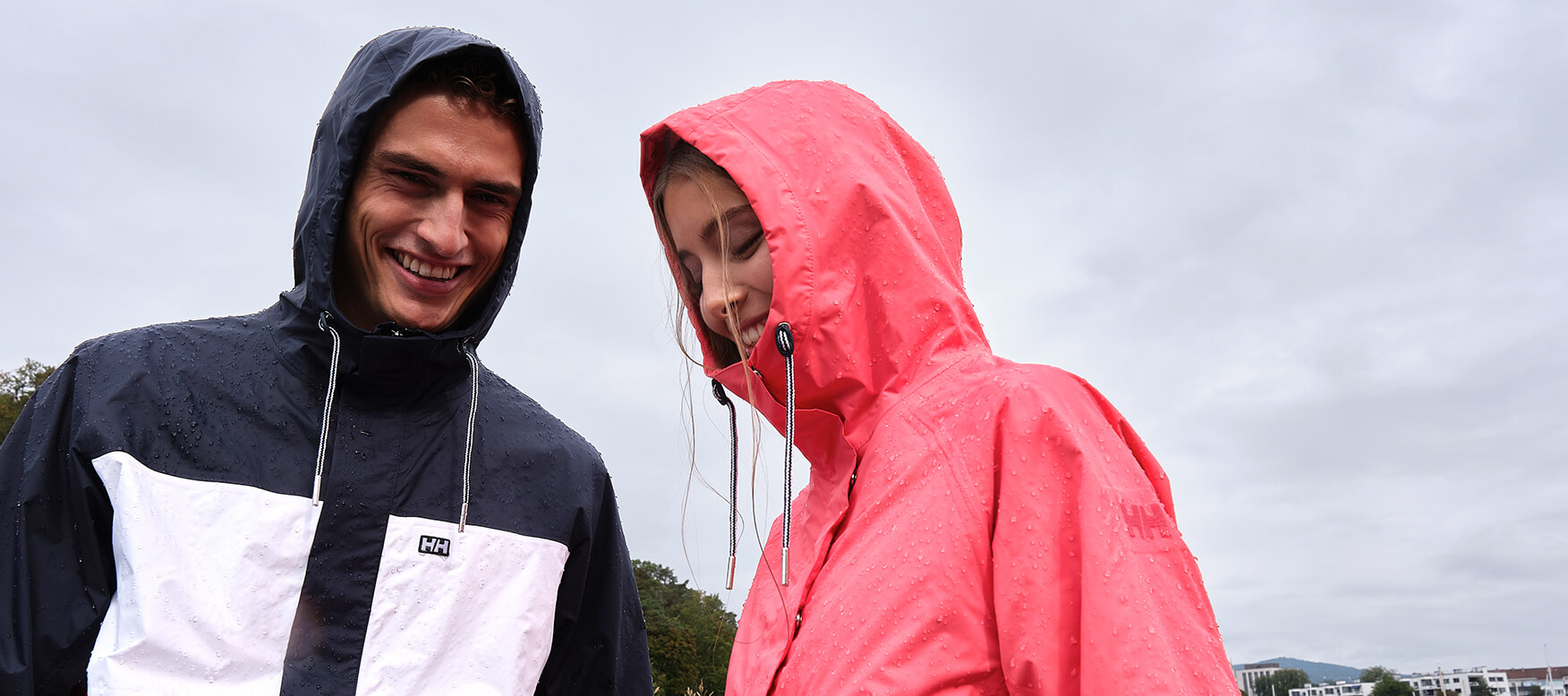
Waterproof vs Water-Resistant: Understanding When Each Matters
June 01, 2026
6 min read
Choosing the right outerwear can be confusing, especially when it comes to terms like "waterproof" and "water-resistant." Many people use these labels interchangeably, but they signify very different levels of protection. This can lead to selecting the wrong gear for your specific needs.
What Does Waterproof vs Water-Resistant Mean?
It is common to mix up these terms, but understanding what is waterproof vs water-resistant matters when you choose outerwear. These labels reflect different rain protection levels, construction methods, and intended environments.
What Is Water-Resistant Clothing?
Water-resistant jackets provide protection designed for light, short-term exposure to moisture, such as a gentle spring drizzle or quick splashes from a puddle. This type of water-resistant clothing works through surface treatments or tightly woven fabrics that slow water penetration rather than fully blocking it. If you are walking to work in light rain, lightweight rain protection is generally all you need. This category prioritizes comfort, breathability, and everyday usability over maximum weather defense.
What Is Waterproof Clothing?
Fully waterproof clothing is engineered to keep you dry, even during prolonged exposure to heavy rain. These garments create a physical barrier against moisture using advanced materials and sealed seams. Our HELLY TECH® technology is developed for exactly these scenarios, whether you are hiking up a trail in a downpour or need unwavering reliability at sea.
Water-Repellent vs Waterproof and Water-Resistant: Where Does It Fit?
These three terms are easy to mix up, but they describe very different levels of protection.
- Waterproof gear is built around a membrane – a full water barrier that blocks water even under high pressure, passes the rain test, and uses taped seams to keep moisture out at every stitch line.
- Water-resistant gear has no membrane, so its protection is more limited. It may still pass the rain test, but without a membrane, seams cannot be taped; some softshell styles fall into this category.
- Water-repellent is different from both – it's a chemical treatment applied to the face fabric that causes water to bead up and roll off the surface. This finish, sometimes called a stain-release finish, doesn't make a garment waterproof or water-resistant. It simply helps the outer fabric shed light moisture before it can soak in.
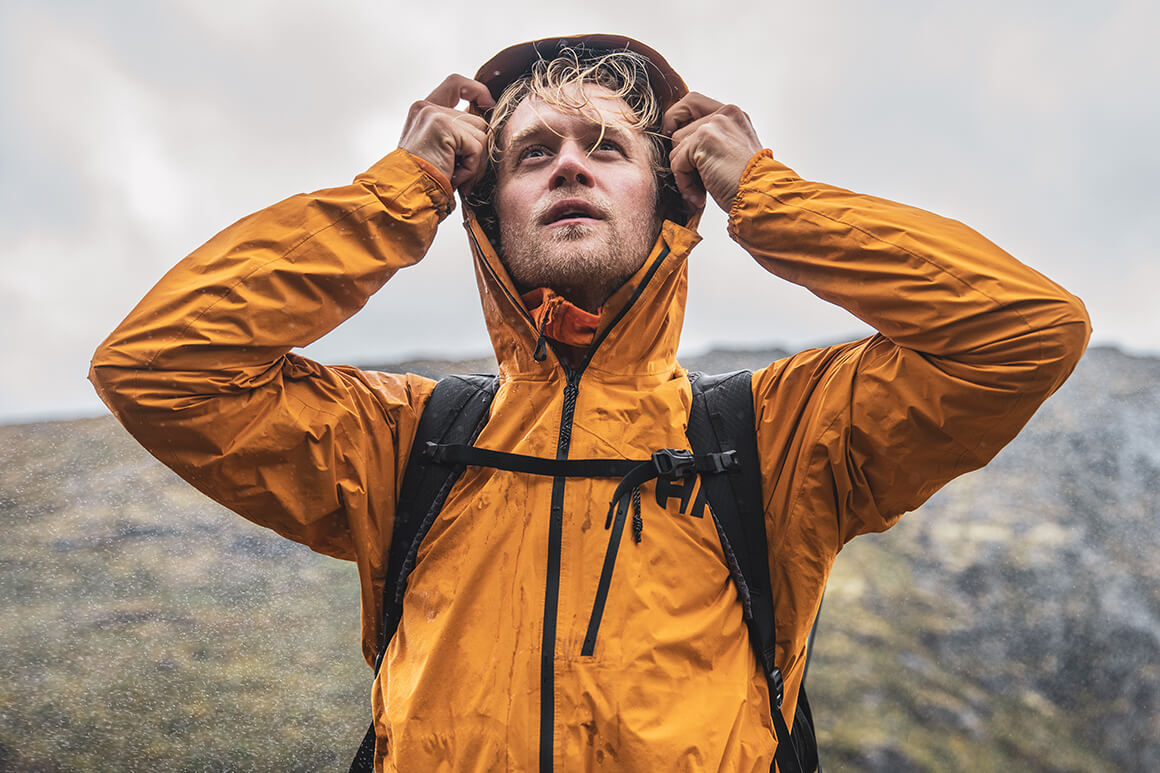
Key Differences Between Waterproof and Water-Resistant
Moving beyond the basic definitions, the waterproof vs water-resistant comparison becomes clear when your gear is tested by actual weather conditions. Use the following list as a framework to evaluate what you truly need.
1. Protection Level: Light Rain vs Heavy Exposure
A light jacket with basic water-resistance is designed for brief, gentle exposure, like a 10-minute walk from your car to the office. Conversely, heavy rain protection gear is built to withstand continuous storms and driving precipitation. If you are planning full-day outdoor activities where the weather might suddenly turn, you need reliable all-weather gear to stay safe.
2. Coverage and Submersion Capabilities
Water penetration resistance is severely tested when pressure is applied to wet fabric. True waterproof clothing maintains its waterproof rating and protection even under pressure, such as when you are sitting on wet moss, carrying a heavy backpack, or kneeling in damp snow. Water-resistant gear cannot withstand this pressure, and moisture will eventually soak through to your base layers. Seam sealed jackets are critical for outdoor activities where prolonged exposure and physical contact with wet surfaces are expected.
3. Breathability and Comfort
There's a natural trade-off between breathability and total storm protection. A rain jacket that keeps you completely dry from external moisture also has to manage sweat from the inside, which is a tricky balance achieved with advanced membranes. Water-resistant gear, on the other hand, often feels lighter and more breathable because more air can pass through its fibers. Proper ventilation is key for comfort, especially when you shift from a casual walk to a strenuous hike.
4. Durability and Long-Term Performance
A durable waterproof fabric is built to last, offering consistent performance through rigorous use. In contrast, the coating on water-resistant gear wears off over time from friction, dirt, and washing. You can improve your gear's longevity by reapplying its DWR coating after a busy season. Understanding this difference will help you choose gear that offers the best long-term value.
5. Cost and Practical Trade-Offs
Premium waterproof gear typically costs more due to advanced construction, specialized membranes, and meticulous seam-sealing processes. In demanding conditions, that investment pays off: high-performance waterproof products deliver meaningful advantages in durability, long-term weather protection, and sustained performance during extended or heavy exposure to the elements. If you regularly venture into harsh or unpredictable environments, the added cost is a worthwhile trade-off. That said, when evaluating any piece of outdoor gear, it helps to weigh price against your realistic needs. For urban commutes and short outings in mild weather, a well-made, affordable rain jacket can offer all the protection you actually need.
Water-Resistant Clothing: When It’s the Right Choice
Water-resistant outerwear is a practical, versatile option for everyday conditions and mild climates. It is often the very best choice for users who prioritize exceptional comfort, high mobility, and style over maximum storm protection.
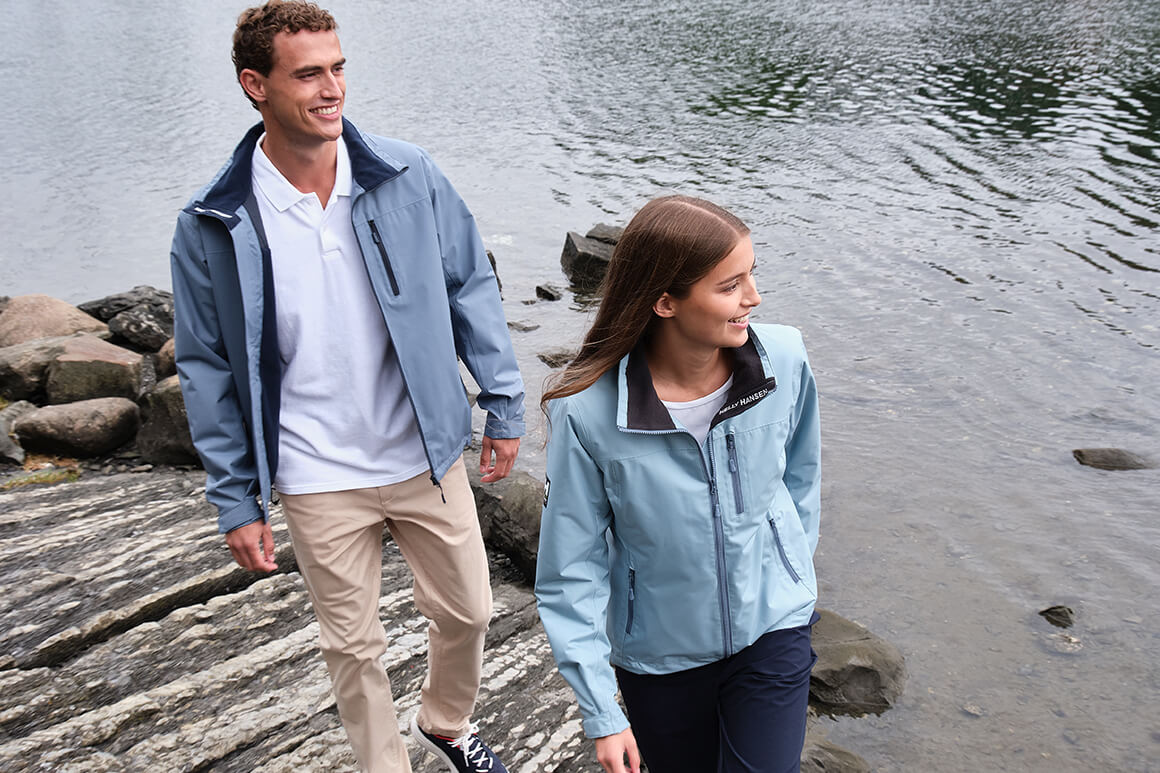
Materials and Construction Behind Water Resistance
Water-resistant jackets provide proction through tightly woven fabric structures and specialized surface treatments. They are designed to protect against light precipitation, like drizzles or brief showers, for a limited time. Because their primary focus is on breathability and comfort, these jackets are best suited for everyday use in cool, dry conditions where you might encounter only minimal rain.
Best Use Cases: Light Rain, Urban Wear, and Everyday Activities
If your day involves commuting to the office or enjoying casual outdoor walks, this category is perfect for you. Urban rainwear offers great versatility, easy packability, and high style appeal. Whether you're out walking the dog or watching your children play in the park, these travel-friendly jackets provide more than enough protection.
Key Limitations of Water-Resistant Gear
You must understand the light weather protection limits of these garments, particularly their inability to handle prolonged rain or high exposure environments. Assuming a water-resistant jacket can act as a storm shield is one of the most common mistakes beginners make. Because these pieces are not fully waterproof, respecting their rain exposure limits will help you set realistic expectations and stay comfortable.

Waterproof Clothing: When You Need Full Protection
When you venture into more demanding environments, waterproof outerwear becomes absolutely essential for your safety and comfort. Heavy duty rain gear delivers the reliability, robust performance, and total confidence you need when facing unpredictable weather.
Materials and Technologies Used in Waterproof Gear
Technical rainwear relies on a sophisticated combination of waterproof membrane technology, seam sealed construction, and layered fabrics. These components work together to physically block water droplets from entering while still allowing your sweat vapor to escape. We have refined these systems over decades, using innovations like LIFA INFINITY PRO™ and our proven HELLY TECH® technology to keep you dry over time.
Best Use Cases: Heavy Rain, Snow, and Prolonged Exposure
When hiking in a torrential downpour, skiing through deep powder, or sailing across choppy waters, extreme weather clothing is mandatory. The duration and intensity of your exposure are the key deciding factors here. For these intense activities, reliable outdoor gear will protect you when the elements turn harsh.
Key Limitations of Waterproof Gear
There are tradeoffs to consider when choosing waterproof gear, such as cost, weight, and breathability vs protection. While a highly technical shell jacket offers maximum weather defense, that level of armor may not always be necessary for lighter, drier conditions. Recognizing these factors will help you avoid overbuying and ensure your gear matches your actual activity level.
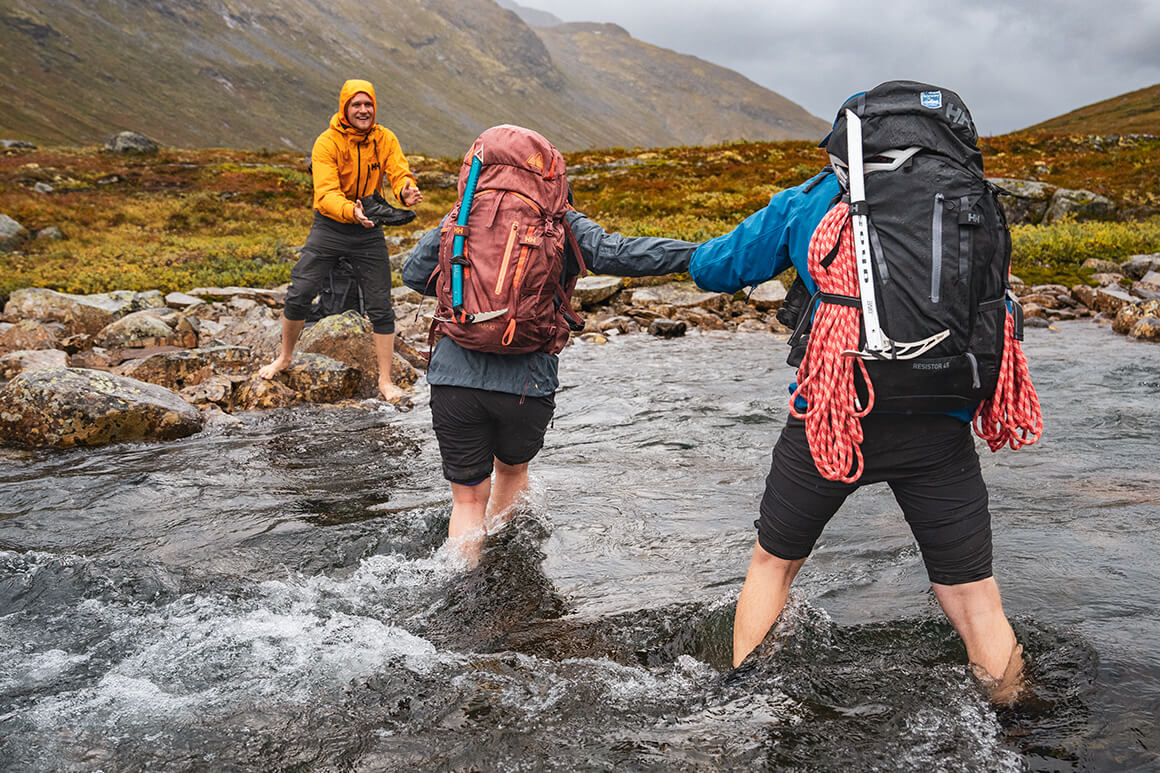
How to Choose Between Waterproof and Water-Resistant
Choosing a rain or shell jacket is an important part of building your outdoor kit. Keep in mind that there's no one-size-fits-all answer, and that the best choice depends on your highly individual needs.
Choosing Based on Weather Conditions
Always assess the local weather patterns, looking closely at the rain intensity, duration, and overall unpredictability of your destination. Your weather-based clothing choice should be heavily influenced by the worst-case scenarios rather than just the ideal, sunny conditions. Proper preparedness and reliable gear will give you peace of mind when the clouds roll in.
Choosing Based on Activity Level
Your planned activity level directly impacts the delicate balance between breathability and protection. Active outdoor clothing needs to vent body heat quickly, which is why a highly breathable soft shell might be better for an intense trail run, while rigorous rain gear is better for a slow, wet trek. Performance outerwear should always match the energy you plan to exert.
What to Wear in The Rain
Rain Jackets

Women's Odin Infinity Minimalist Jacket

Women's Odin 9 Worlds 3.0 Shell Jacket

Men's Seven J Jacket

Men's Odin Infinity Minimalist Jacket

Women's Loke Shell Jacket

Women's Welsey II Trench Coat

Men's Koster 2.5-Layer Rain Jacket

Men's Koster Rain Jacket

Women's HH Classics Trench Coat

Women's Loke Plus Jacket 2.0

Men's Crew Midlayer Sailing Jacket 2.0

Men's Crew Hooded Sailing Jacket 2.0

Women's Westport Raincoat

Women's Crew Hooded Midlayer Plus Jacket 2.0

Men's Odin 9 Worlds 3.0 Shell Jacket

Men's Ervik Jacket

Women's Crew Hooded Midlayer Sailing Jacket 2.0

Women's Verglas 2.5-Layer Fastpack Jacket

Men's HH Block Hooded Jacket

Men's Munich Insulated Raincoat
Rain Pants

Men's Moss Rain Trousers

Men's Loke Trousers 2.0

Women's Moss Rain Trousers

Women's HH Rain Trousers

Men's Vancouver Trousers

Men's HH Rain Trousers

Women's Loke Trousers 2.0

Women's Vancouver Trousers
Shell Jackets

Women's Odin Ultimate Infinity Jacket
Women's Odin Infinity Minimalist Jacket
Women's Odin 9 Worlds 3.0 Shell Jacket

Men's Odin 9 Worlds Infinity Shell Jacket
Women's Loke Shell Jacket

Men's Paramount Softshell Vest

Men's Momentum 3-Layer Stretch Jacket
Men's Odin Infinity Minimalist Jacket

Women's Emiko Shell Jacket

Men's Atlas Infinity H2Flow Shell
Layering Considerations for Weather Protection
It is vital to remember that your outerwear is just one part of a complete layering system. Start with a moisture-wicking base layer to pull sweat away from your skin, add an insulating midlayer to trap body heat, and finish with a protective shell. A well-planned layering strategy ensures you stay comfortable, warm, and dry from the trailhead to the summit.
Read more
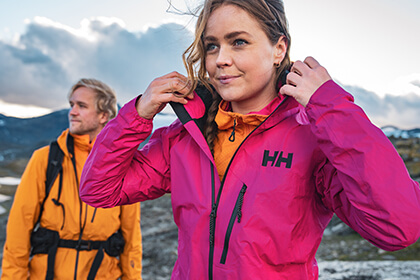
The 3-Layer System
Learn how the 3-layer system works for outdoor activities. Discover how to layer for cold weather using base layers, midlayers, and outer shells.
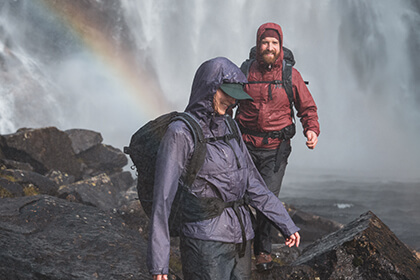
Hiking in the Rain: What to Wear, Pack & How to Stay Safe
Learn how to prepare for hiking in the rain with the right rain hiking gear, waterproof layers, blister prevention strategies, and safety planning.
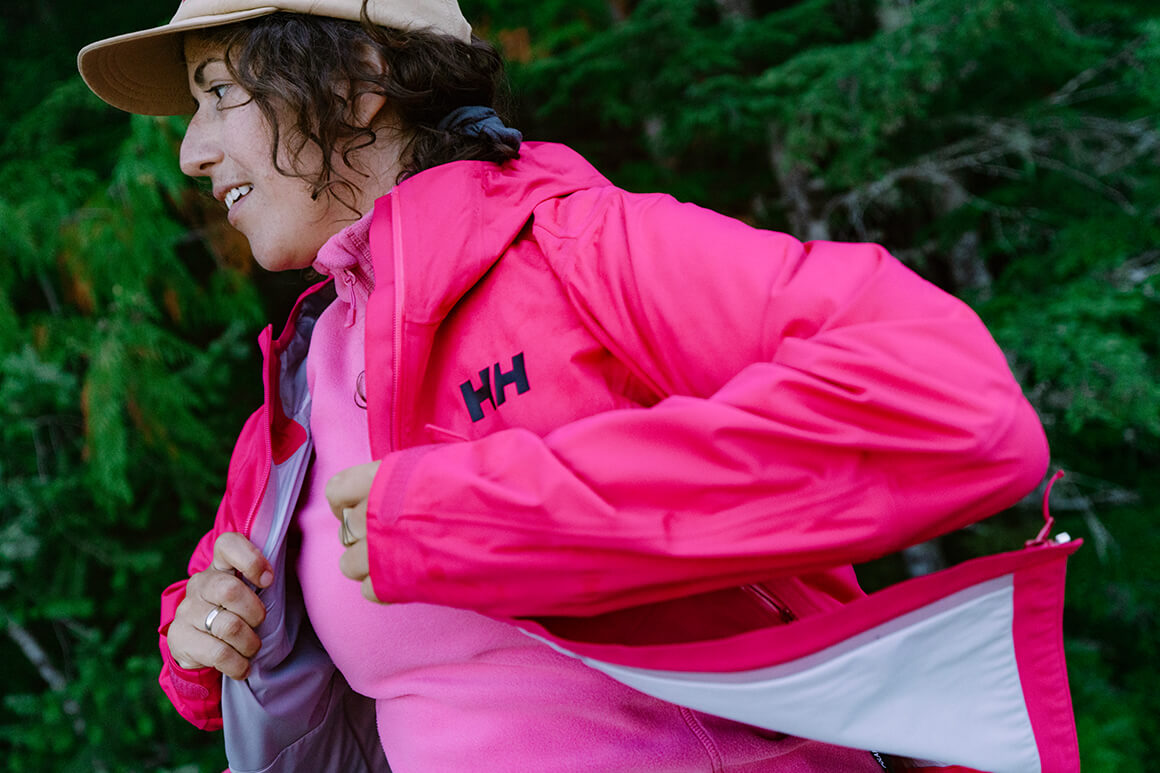
What to Wear Hiking
Whether you’re trying a new trail or heading all the way to the summit, we cover the basics of what to wear hiking for all types of conditions.