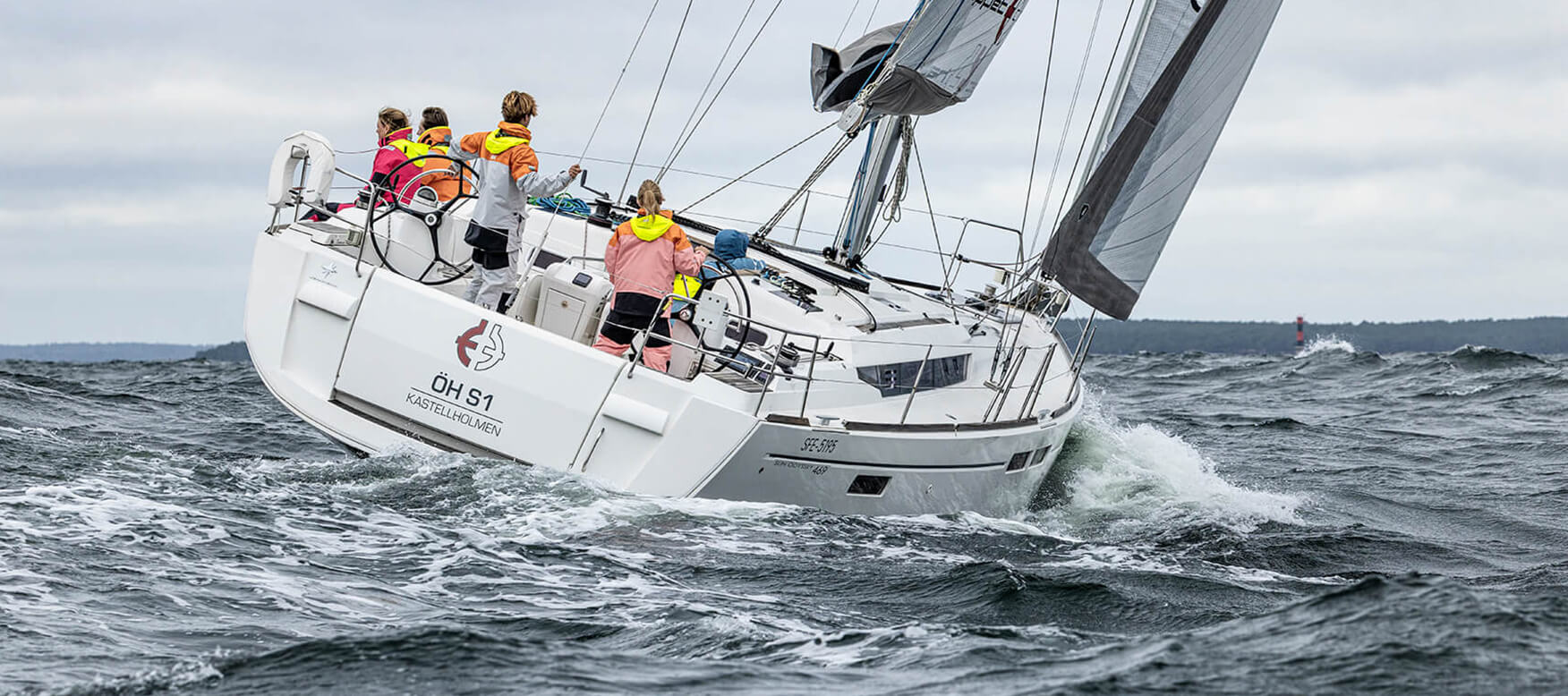
How to Prepare for a Family Sailing Trip
June 05, 2026
7 min read
Preparing for a family sailing trip requires intentional planning around safety gear, smart packing, and weather protection. By selecting versatile clothing, enforcing clear safety rules, and monitoring marine conditions, you can reduce stress and ensure a confident, comfortable experience for everyone onboard.
Think of your preparation in four areas:
Safety readiness
Efficient packing
Weather awareness
Onboard comfort
What Is a Family Sailing Trip and How Do You Prepare
A family sailing trip introduces a unique dynamic that requires a much different level of preparation compared to solo or adult-only voyages. Factors like the age of the children, overall sailing experience, and individual comfort thresholds will significantly impact your planning decisions. Understanding these specific variables upfront helps families avoid common mistakes and plan a much smoother journey. This foundational knowledge ensures that every family member feels secure and engaged from the moment you leave the dock.
Explore Sailing Gear
What Is a Family Sailing Trip?
Whether you're going on a short afternoon trip, a multi-day coastal cruise or an offshore adventure, bringing the family involves a wide mix of skill levels, ages, and physical capabilities. You're managing:
Different comfort levels
Shorter attention spans
Greater safety responsibility
A plan that works for experienced adults can quickly fall apart when kids get cold, tired, or bored. The goal isn’t just to “make it work”, it’s to make it enjoyable for everyone.
How to Prepare for a Family Sailing Trip
True preparation is not just about bringing the right gear, it is about anticipating potential challenges and minimizing stress during the actual trip. You should adopt a proactive mindset that prioritizes readiness over reaction, ensuring you have solutions ready before a problem arises.
How Preparation Changes Based on Trip Type and Experience
Your preparation strategy will vary greatly depending on whether you are planning a quick day trip or a multi-day overnight excursion. Beginners typically need to focus on simplicity, extra safety precautions, and intentional over-preparation, while experienced sailors might prioritize efficiency and adaptability. On longer trips, factors like weather exposure, limited storage, and maintaining onboard routines become highly critical. By identifying your family's current experience level, you can adjust your planning to meet your exact needs.
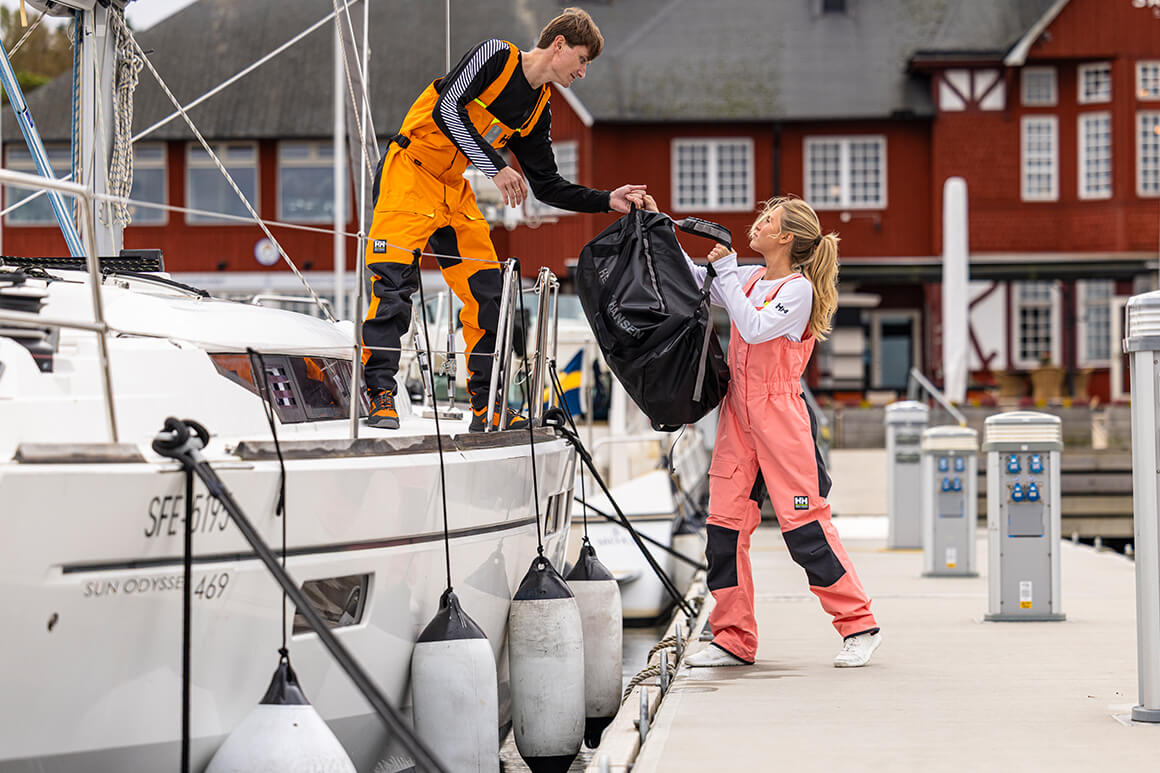
Safety Readiness
Proactive safety planning drastically reduces risks and builds essential confidence for both the adults and the children onboard. Marine environments are unpredictable, which makes thorough preparation absolutely essential even for a calm afternoon outing. By focusing on readiness rather than fear, you create a reassuring atmosphere where everyone can relax and enjoy the ride.
What Safety Gear Do Families Need for Sailing
Every trip, no matter how short, should include:
Properly fitted life jackets for every person
A working VHF or communication device
A stocked first aid kit
Basic emergency signalling tools
Just as important: everything should be easy to access. Safety gear buried in storage is almost as bad as not having it.
Life Jackets, Safety Rules, and Supervision
Clear rules make everything easier. Instead of constant warnings, set simple, non-negotiable rules:
Life jackets stay on when the boat is moving
One hand on the boat at all times
No sudden movement without telling an adult
Kids adapt quickly when expectations are clear and consistent. Still, constant and active supervision is mandatory, and the level of watchfulness must increase as sea conditions grow rougher.
Emergency Drills and Onboard Safety Planning
Practice before you need it. Running through simple “what if” scenarios helps remove panic later:
What happens if someone falls in?
Who grabs what in an emergency?
How do you communicate quickly onboard?
Keep it calm and practical, you’re building confidence, not fear.
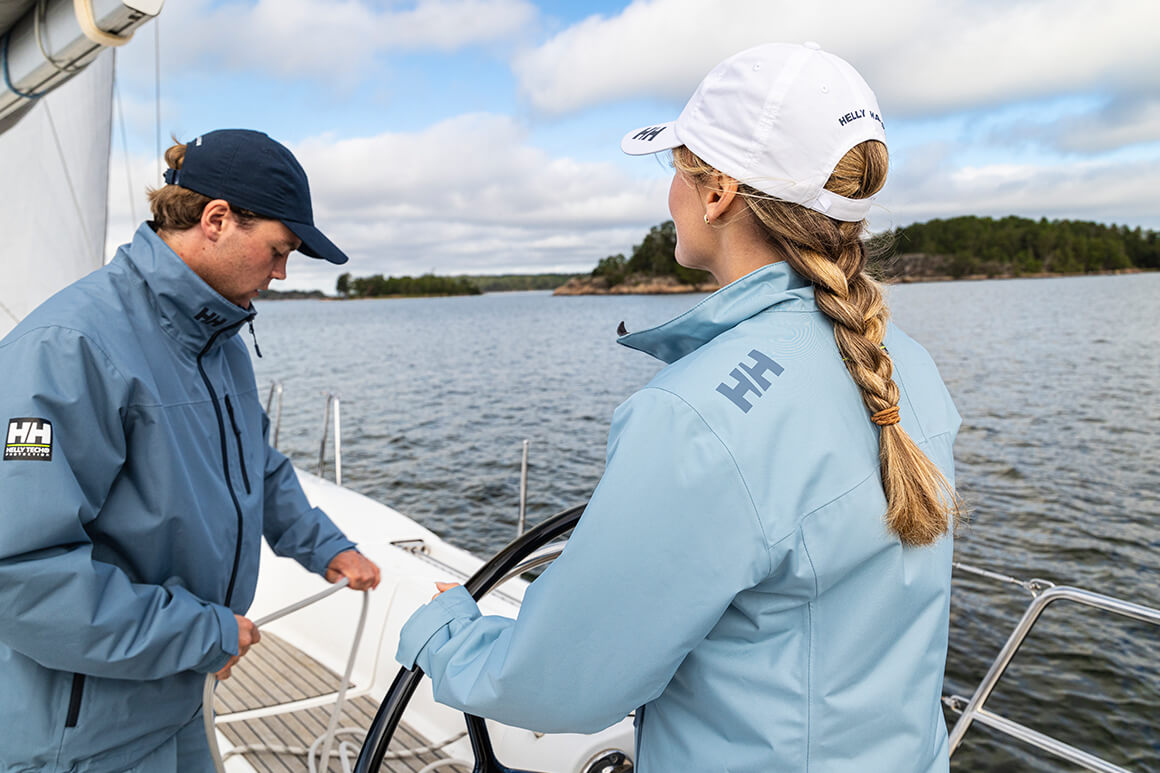
Efficient Packing
Packing requires a careful balance between being fully prepared and respecting the limited space available onboard. Marine conditions can fluctuate rapidly, so you need to select versatile items that serve multiple purposes. Prioritizing absolute essentials while leaving unnecessary bulk behind is a crucial skill for any sailor.
Family Sailing Packing List Essentials
A well-structured packing list should be carefully organized into clear, practical categories to ensure nothing important is forgotten. Breaking your list down makes packing more efficient and helps you stay focused on the essentials. Key categories to include are:
- Clothing for varying weather conditions, including layers, waterproof gear, and spare outfits
- Safety gear such as life jackets, first-aid supplies, and sun protection
- Food and water to keep everyone properly fueled and hydrated throughout the trip
- Personal essentials like toiletries, medications, and comfort items for children
Approach packing with a disciplined, checklist-style mindset to avoid overpacking and unnecessary clutter on board. Before adding any item, pause and ask yourself: “Will we really need this on the water?” This simple question helps prioritize functionality, reduces excess weight, and ensures your focus stays on safety, comfort, and practicality during your sailing adventure.
Soft Luggage and Smart Packing for Limited Space
Storage on a boat is limited and often irregular, so the key is to pack light, soft, and smart.
Hard suitcases are a common mistake – soft duffel bags or dry sacks are far more practical, as they can be easily stowed in tight or awkward spaces. Small organizational improvements can also make a big difference onboard:
- Use separate bags per person to stay organized
- Keep frequently used items accessible for convenience
- Avoid unpacking everything just to find one item
Less clutter ultimately means less stress, helping everyone stay comfortable and focused while on board.
Check out our bags

HH Logo Waist Bag, 1L

H/H Scout Duffel, L, 70L

HH Duffel Bag 2, 30L

Guide Duffel Bag, 30L

Guide Wash Bag, 4L

Phone Holder

Stockholm Pile Backpack, 28L

Kids' Skogen Backpack, 6.2L

Resistor Backpack Recco®, 45L

Transistor Backpack Recco®, 30L
Sailing Clothes and Weather Protection
Being wet or cold is the fastest way to ruin a trip, especially for kids. The key is to dress for changing conditions, not just what you see before departure. Choose clothing that actively protects against high winds, water exposure, and dropping temperatures.


Sailing Footwear
Your packing list must also cover non-slip sailing shoes. Proper sailing footwear directly impacts your physical safety on wet decks.

Women's Crest Watermoc Shoes

Women's Skagen F-1 Offshore Shoes

Women's Revo Sailing Shoes

Women’s HP Marine Lifestyle Shoes

Women's HP Ahiga EVO 5 Sneakers

Women's HP Foil V2 Sailing Shoes

Women's Ahiga V4 Hydropower Sneakers

Women’s Supalight Moc One Watersport Shoes
Essential Sailing Gear and Personal Items
Additional gear can significantly enhance your safety and comfort, including:
- polarized sunglasses
- protective gloves
- hats that stay on in wind
These items are vital for protecting your skin and eyes against sun exposure, biting wind, and freezing water. In addition, compact and streamlined toiletries help maintain hygiene without cluttering the head. It is often the small details that make the biggest day-to-day difference.


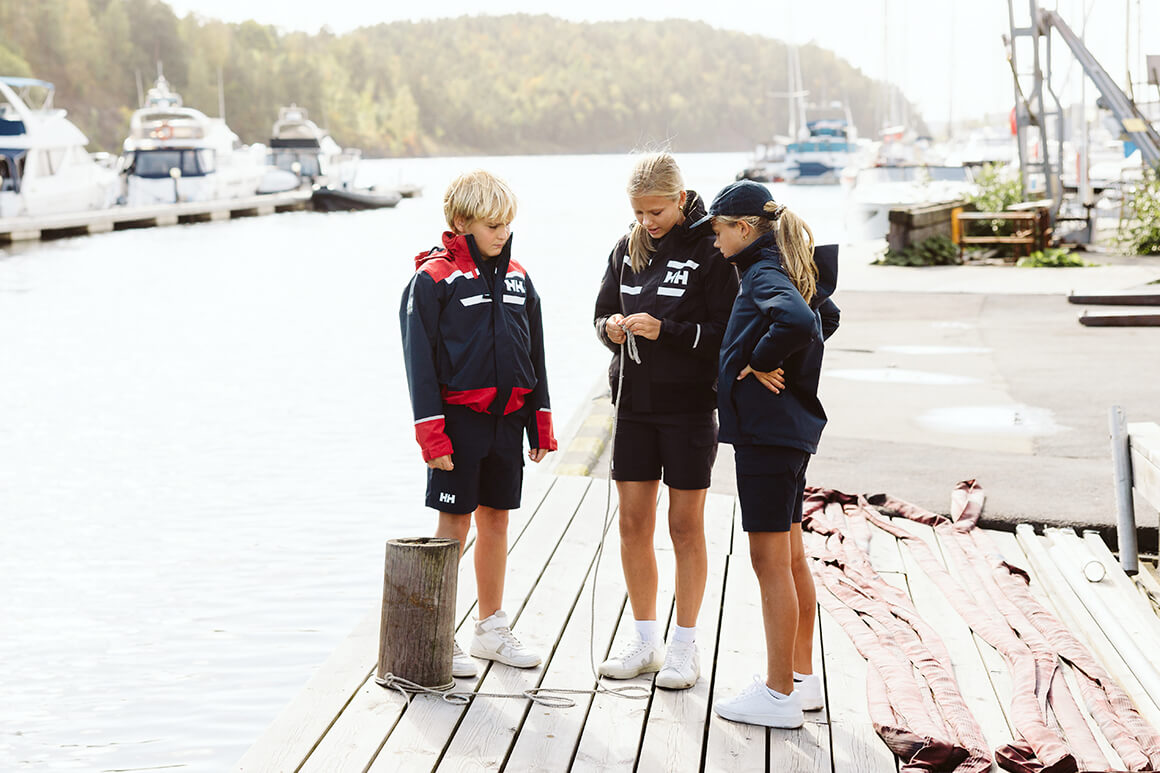
What to Wear Sailing with Kids
If kids are comfortable, they’re happy, and everything becomes easier. Even small discomfort builds quickly on the water. When dressing children for sailing, comfort and practicality are essential to ensure an enjoyable experience. Key considerations include:
- A proper fit to avoid irritation and ensure ease of movement
- Adequate insulation to keep them warm in changing conditions
- Bring backup layers
Physical discomfort can quickly affect a child’s mood and disengage them from the sailing experience. It’s therefore important to choose easy-to-wear, weather-appropriate clothing that supports active movement and safe participation.
Best Sailing Clothes for Families
The best sailing clothing combines performance, comfort, and safety, making it an essential part of any trip on the water. Key features to look for include:
- Excellent moisture management to keep you dry and comfortable
- Reliable weather protection against wind, rain, and spray
- High flexibility for active movement and ease on deck
These performance characteristics are important for all age groups, ensuring that both adults and children remain comfortable throughout the journey. Versatility is also crucial, as sailing gear should adapt seamlessly to changing conditions, from a crisp morning departure to a warm afternoon sun. Ultimately, your clothing should be treated as a core piece of safety preparation rather than a last-minute afterthought.
Layering for Changing Weather on the Water
Layering is the most effective way to regulate temperature and adapt to constantly changing conditions such as wind chill, sea spray, and direct sun. A proper layering system includes:
- A moisture-wicking base layer to keep sweat away from the skin
- An insulating midlayer to retain body heat
- A protective outer shell to shield against wind and water
This approach allows you to easily add or remove garments as conditions change throughout the day, ensuring consistent comfort and protection on the water.
Waterproof vs Water-Resistant Sailing Gear
This is where many trips go wrong:
Water-resistant = fine for calm, dry conditions. Can handle light spray or a brief drizzle.
Waterproof = essential if there’s spray, wind, or rain. Features sealed seams and advanced membranes to block out sustained rain and heavy waves.
If in doubt, go waterproof, it’s the difference between staying comfortable and heading back early. You can learn more about the difference between waterproof and water-resistant in this guide.
Final Checklist for a Family Sailing Trip
What to Do Before You Set Sail
Your final pre-departure steps are critical for ensuring a smooth and safe start to your sailing trip. Focus on a few key actions:
- Check mechanical gear to ensure everything is functioning properly
- Review safety plans with the crew so everyone knows their role
- Confirm the latest weather conditions to avoid surprises on the water
To improve consistency and reduce mistakes:
- Follow a step-by-step routine to avoid forgetting essential items
- Use a physical checklist to keep the process clear and actionable
- Involve all family members in the preparation to build awareness and shared responsibility
Route Planning and Weather Checks
Understanding and preparing for weather and route conditions is essential for safe sailing. Focus on these key actions before departure:
- Review detailed weather forecasts to anticipate changing conditions
- Check tidal charts and route conditions for safe navigation
Because marine weather can change quickly:
- Monitor conditions proactively both before and during your trip
- Stay flexible in your planning and be ready to adjust your route if needed
Above all:
- Prioritize safety over schedule – always be willing to change plans if conditions deteriorate
A cautious, adaptable approach ensures you stay in control and make informed decisions on the water.
Prevent Boredom Before it Starts
A few simple ideas:
Let the kids help with small tasks
Give them something to “look out for”
Bring compact entertainment (books, binoculars, small games)
Feeling involved turns the trip into an adventure rather than downtime.
Documents, Gear Checklists, and Final Preparation
Verify that all required boating documents, safety equipment, and packed items are securely onboard before departure. Following an organized checklist ensures that no critical piece of gear is left behind. You should perform one final physical walkthrough of the boat to visually confirm that everything is in its proper place. This quick reset dramatically reduces stress once you’re underway.
Bon voyage!
A great family sailing trip isn’t about perfect conditions, it’s about feeling prepared enough to handle whatever comes your way. When you get that balance right, the experience becomes relaxed, confident, and genuinely fun for everyone onboard.
Read more

What to Wear Sailing
Discover our expert guide on what to wear sailing, from moisture-wicking base layers to waterproof outerwear and essential safety gear.
What to Wear Coastal Sailing
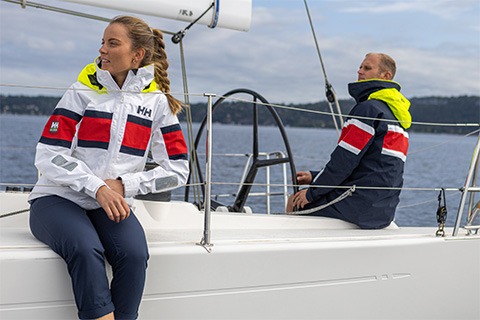
To dress for coastal sailing, you want to be protected against the wind and spray from the waves, and also the sun. In this guide, we share some top tips for layering from professional sailor Kayleen VanderRee.
What to Wear Offshore Sailing
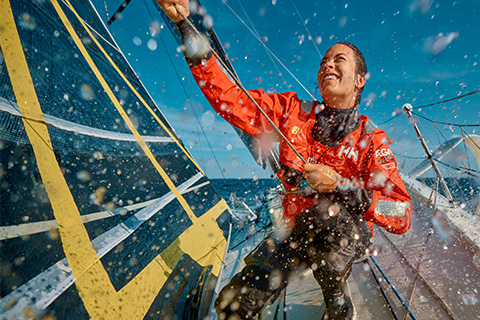
Offshore sailing requires the most durable and protective gear of any type of sailing. In this guide, we show you how to layer up like a professional sailor.