
How to Clean & Re-Waterproof a Rain Jacket
June 03, 2026
5 min read
Taking proper care of your gear is essential to maintaining waterproof performance, not just keeping the fabric looking fresh. Modern rain jackets rely on an integrated system consisting of the outer fabric, a durable water repellent (DWR) coating, and a breathable membrane. When dirt, sweat, or abrasion compromises any single layer, the overall performance of the garment drops significantly.
Instead of assuming your gear has failed, view this as a simple maintenance routine; this guide will walk you through exactly when and how to wash a rain jacket and apply a fresh DWR treatment correctly.
Explore Rainwear
What Is the Best Way to Clean a Rain Jacket?
The best way to restore performance is simple: clean first, always.
Contamination from dirt, oils, and salt disrupts the outer fabric’s ability to repel water. When this happens, the jacket “wets out,” trapping moisture and reducing breathability.
Regular cleaning keeps your jacket functioning as designed, and often resolves performance issues without needing reproofing.
How to Wash a Rain Jacket
To properly wash your gear, run it through a gentle machine cycle using a specialized technical liquid cleaner rather than standard laundry detergent. Proper technique matters because regular detergents leave behind hydrophilic residues that attract water, clogging the performance fabrics and ruining the DWR finish.
How to Wash a Waterproof vs Water-Resistant Jacket
Not all jackets are built the same, and care should reflect that.
Waterproof jackets (with membranes): Require precise care to protect the internal microporous membrane and breathability.
- Water-resistant jackets: More forgiving, but still benefit from technical cleaning to extend lifespan.
You can learn more about the differences between waterproof and water-resistant gear in this guide.
When Does Your Rain Jacket Need Cleaning?
Clean your jacket when you notice:
Water no longer beading on the surface
Reduced breathability or clammy feeling
Visible dirt or staining
After heavy or extended use
Pro tip: If your jacket wets out, cleaning – not reproofing – is usually the first fix.
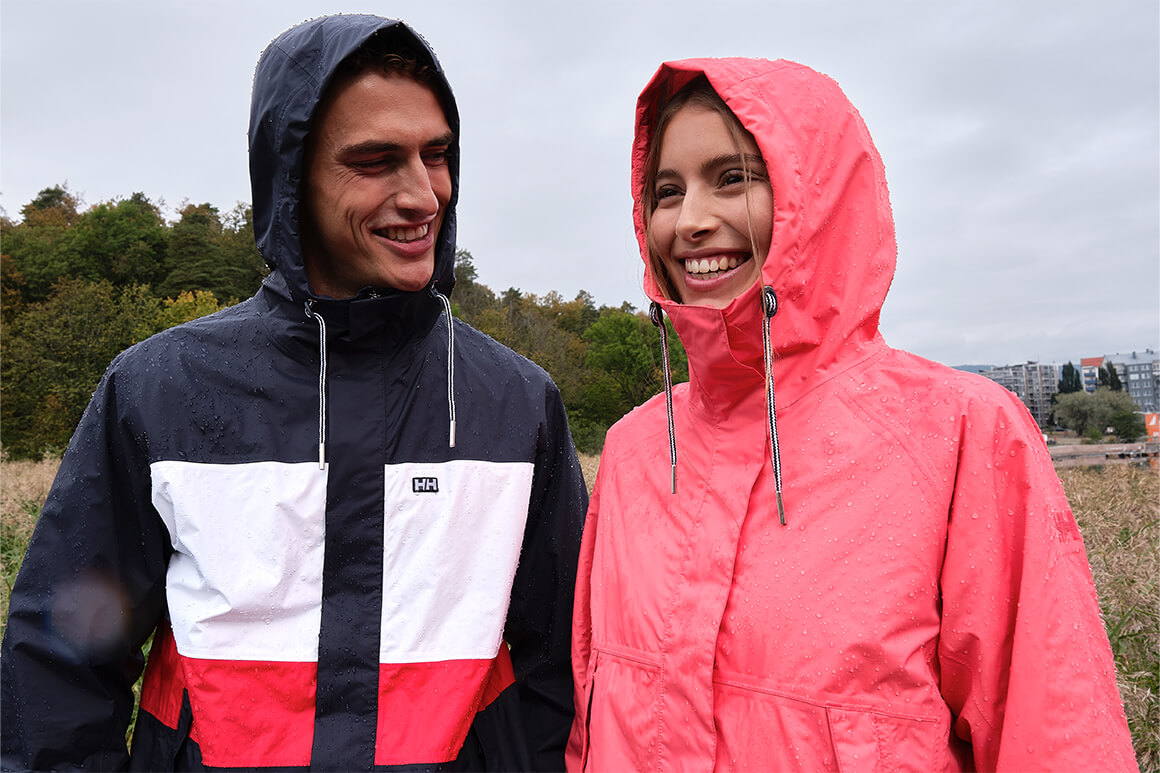
4 Steps to Clean Your Rain Jacket
Follow this process to clean your jacket safely and effectively.
1. Prepare Your Jacket for Washing
Preparation prevents damage and improves results:
Empty all pockets
Close zippers and fasten Velcro
Loosen drawcords
Brush off excess dirt
These steps improve the overall cleaning effectiveness and prevent hardware damage during the spin cycle. And remember: Always check the jacket's care label for specific washing instructions before you begin.
2. Use the Right Cleaner for Waterproof Fabrics
Only use a specialized technical wash. Standard detergents contain additives that:
Block breathable membranes
Reduce moisture transport
Degrade water repellency
Using the right cleaner maintains both waterproof protection and comfort.
3. Choose the Correct Wash Cycle and Settings
Set your washing machine to a gentle cycle with a slow spin and use moderate water temperatures, typically around 30 to 40 degrees Celsius. Aggressive agitation can physically damage protective coatings, while high-speed spins put excessive stress on taped seams. Adopting a conservative washing approach is the safest way to clean rain jackets, rain pants, and shell jackets while protecting your high-performance fabrics.
4. Dry the Rain Jacket Properly
After washing, you can either air dry the garment on a sturdy hanger or place it in a tumble dryer on a low-heat setting. Controlled machine heat is incredibly beneficial because it helps reactivate the existing DWR coatings, while excessive high heat will melt seam tape and permanently damage the fabric.
Why Rain Jackets Lose Waterproofing
Waterproof performance naturally declines over time due to heavy use, accumulated dirt, and constant exposure to UV light and rain. This gradual reduction in water repellency is expected behavior for technical fabrics and does not indicate a product failure. Proper care and maintenance will easily revive the material and restore full performance.
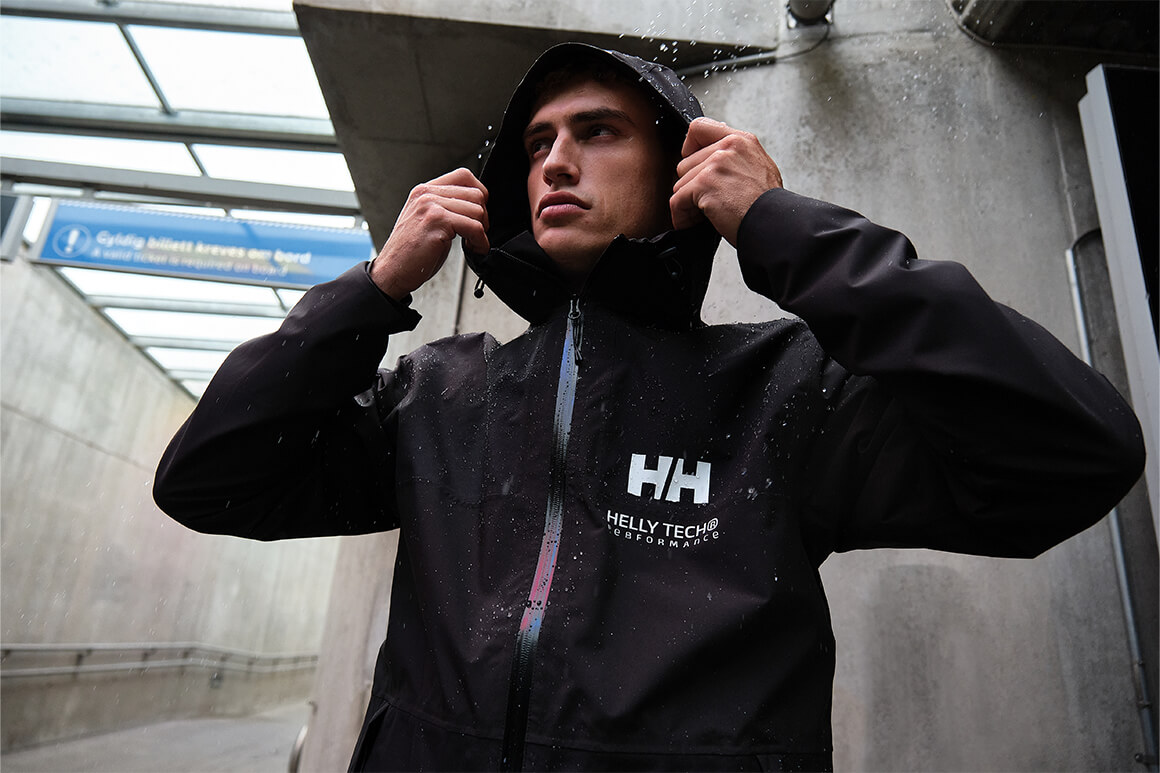
What Causes a Jacket to Stop Repelling Water
Contaminants like trail dust, body oils, sunscreen, and physical abrasion actively break down and cover the DWR finish. Once compromised, these factors prevent water from effectively beading and rolling off the surface, allowing moisture to saturate the face fabric. This saturation blocks the membrane underneath, halting breathability and leaving you feeling clammy.
Understanding DWR and Waterproof Membranes
A DWR coating and a waterproof membrane function together as a unified system to keep you dry:
DWR coating: Repels water on the surface
Waterproof membrane: Blocks water while allowing moisture vapor to escape
If the DWR stops working, the entire system becomes less effective, even if the membrane is intact. Understanding how waterproof gear works helps you appreciate why maintaining both layers is crucial.
Signs Your Jacket Needs Re-Waterproofing
It's time to reproof when:
Water no longer beads after washing
Fabric darkens and absorbs moisture
Dryer heat no longer restores repellency
At this stage, reapplying DWR is the solution.
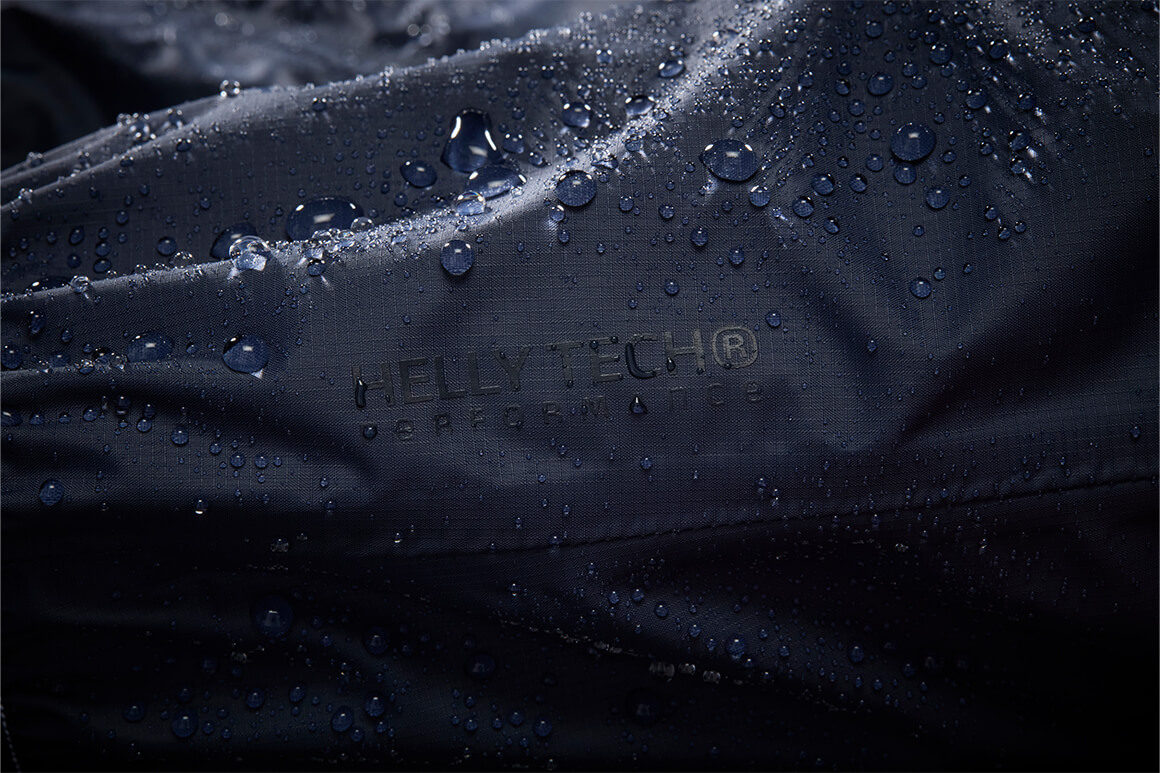
How to Re-Waterproof a Rain Jacket
Re-waterproofing restores your jacket’s ability to shed water and maintain comfort in wet conditions.
Follow these steps:
- Clean jacket thoroughly
- Apply DWR treatment
- Activate with heat
Wash-In vs Spray-On Waterproofing Treatments
Choosing between wash-in and spray-on treatments depends entirely on your specific jacket construction and desired coverage. Wash-in solutions efficiently coat the entire garment inside and out, making them ideal for standard rainwear, while spray-on treatments allow targeted application for multi-layer garments with moisture-wicking linings.
How to Apply Waterproofing Treatment Correctly
For spray-on applications, hang the damp jacket and spray the treatment evenly across the exterior, paying special attention to high-wear areas like the shoulders and cuffs. Avoid common mistakes such as uneven coverage or heavy over-application, and always use a clean cloth to wipe away any excess liquid pooling on the surface. Correct and methodical application ensures the waterproofing treatment bonds perfectly to the face fabric.
Heat Activation and Restoring Performance
Applying heat is the final catalyst required to activate DWR coatings and fully restore water repellency. Safe activation methods include running the treated jacket in a tumble dryer on a low-heat setting for 20 minutes, or carefully using a warm iron with a towel placed between the iron and the fabric.
When to Re-Waterproof a Rain Jacket
The frequency of reproofing depends on your usage intensity, environmental exposure, and how often you wear a backpack over the shoulders. Rather than relying on fixed timelines, you should monitor the fabric's performance in the rain.
How Often You Should Re-Waterproof Your Jacket
Typical guidelines:
Frequent use: every 3–4 months
Occasional use: once per season or year
Heavy pack use and harsh conditions increase wear.
Testing If Your Jacket Is Still Waterproof
You can perform a simple water-beading test at home by splashing a handful of water onto the high-wear areas of the jacket. If the water forms tight beads and shakes off easily, the DWR is intact; if the water spreads out and darkens the fabric, the coating has failed.
Maintaining Your Gear for the Long Haul
Your rain jacket is built for performance in demanding environments. With regular care, it will continue to deliver protection season after season.
Best practices for taking care of your rain jacket:
Clean regularly
Reproof when needed
Store dry and loosely hung
Avoid unnecessary washing
Taking care of your gear reduces waste and ensures you’re ready for any weather.
Explore Rainwear
Read more

Rain Jacket vs Windbreaker
Learn the difference between a rain jacket and a windbreaker. This guide compares waterproof vs. wind-resistant protection to help you choose the right gear.

How Does Waterproof Gear Work?
This guide explains membranes, DWR, and breathable technology to show how outdoor apparel provides ultimate protection.
How to Choose the Best Rain Jacket
Find your perfect rain jacket with our complete guide. Compare waterproof vs water-resistant, breathability, and features for hiking, sailing, and city use.

How to Clean and Waterproof a Shell Jacket
The complete guide on how to clean and re-waterproof your waterproof shell jackets to keep them performing as they should!